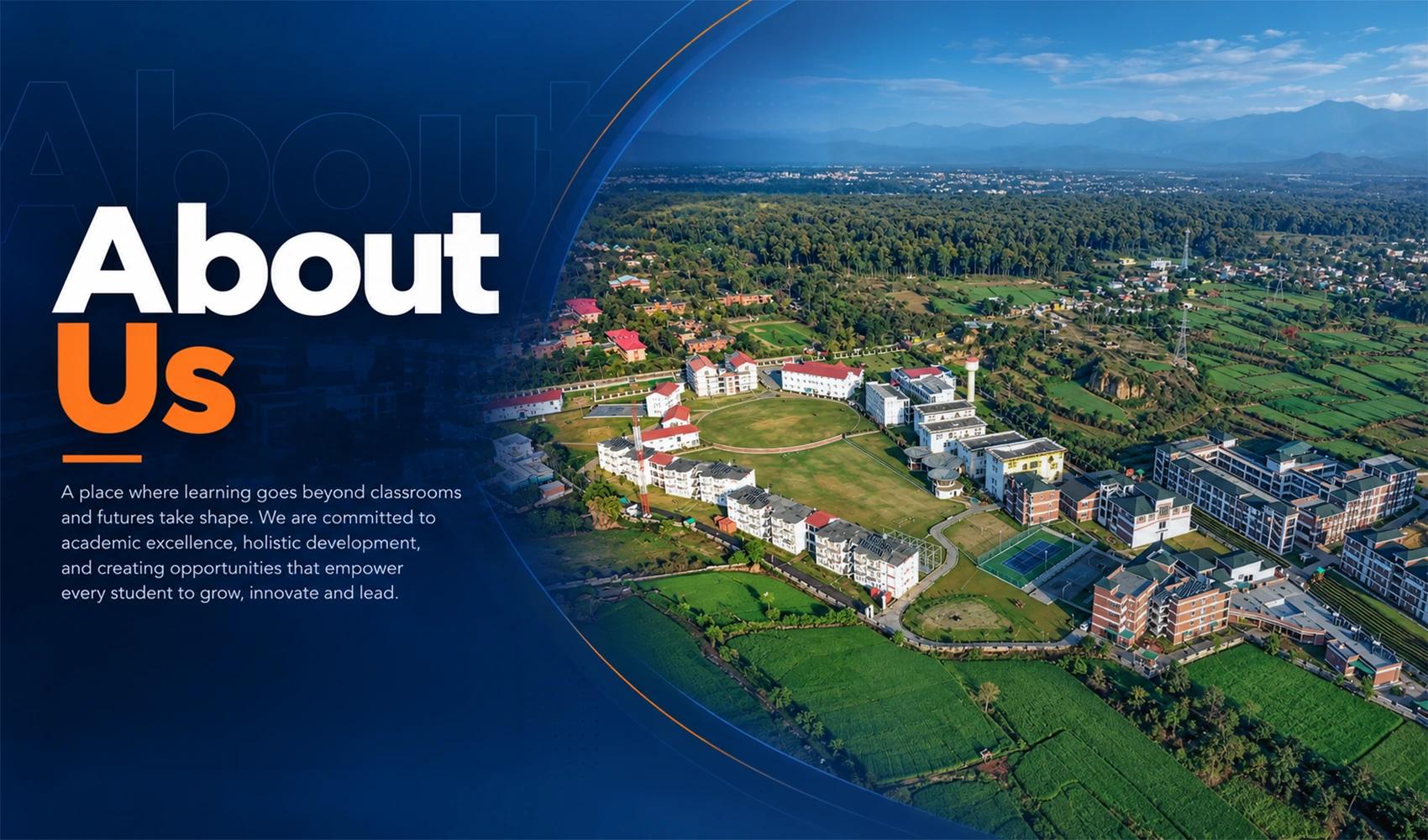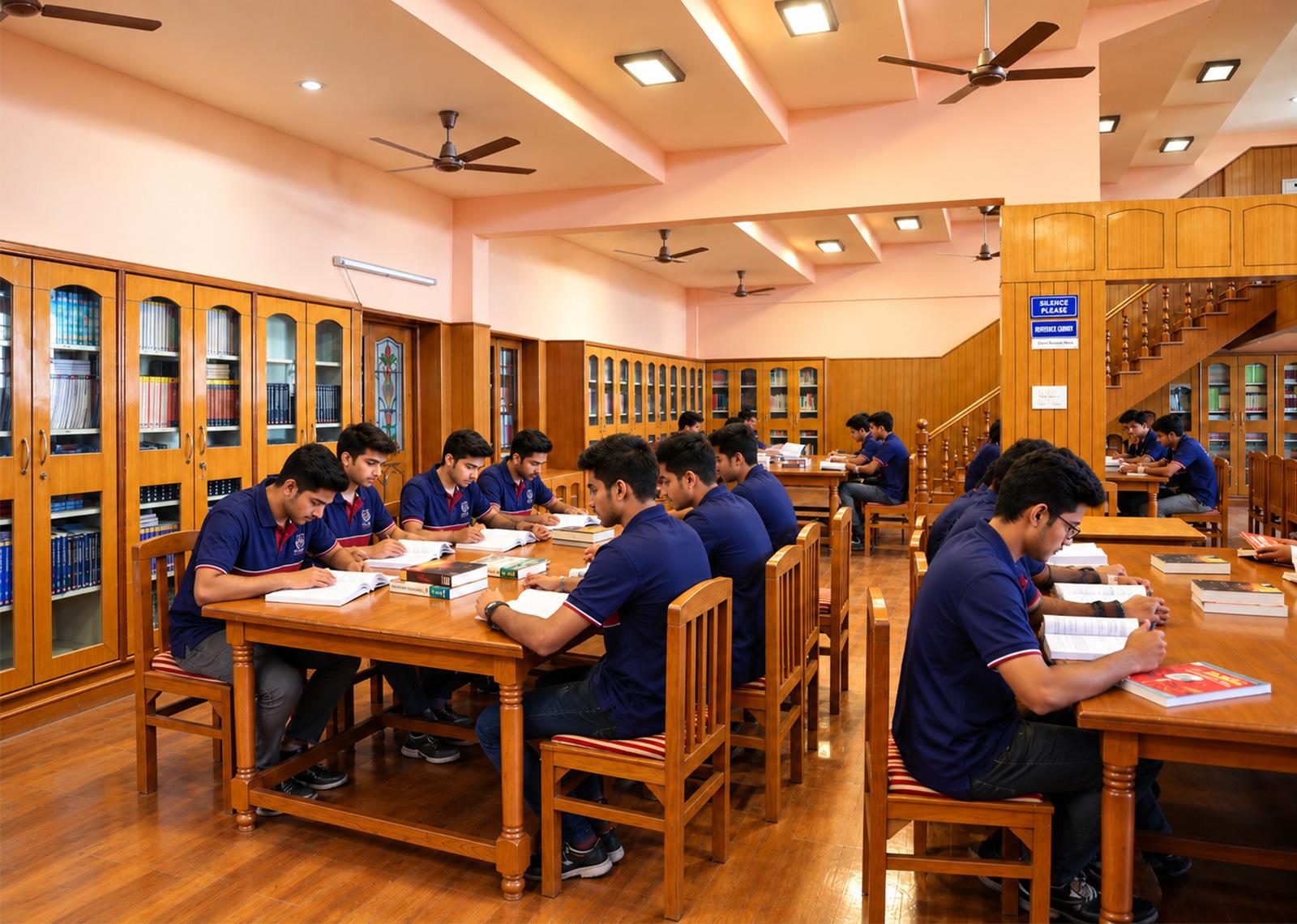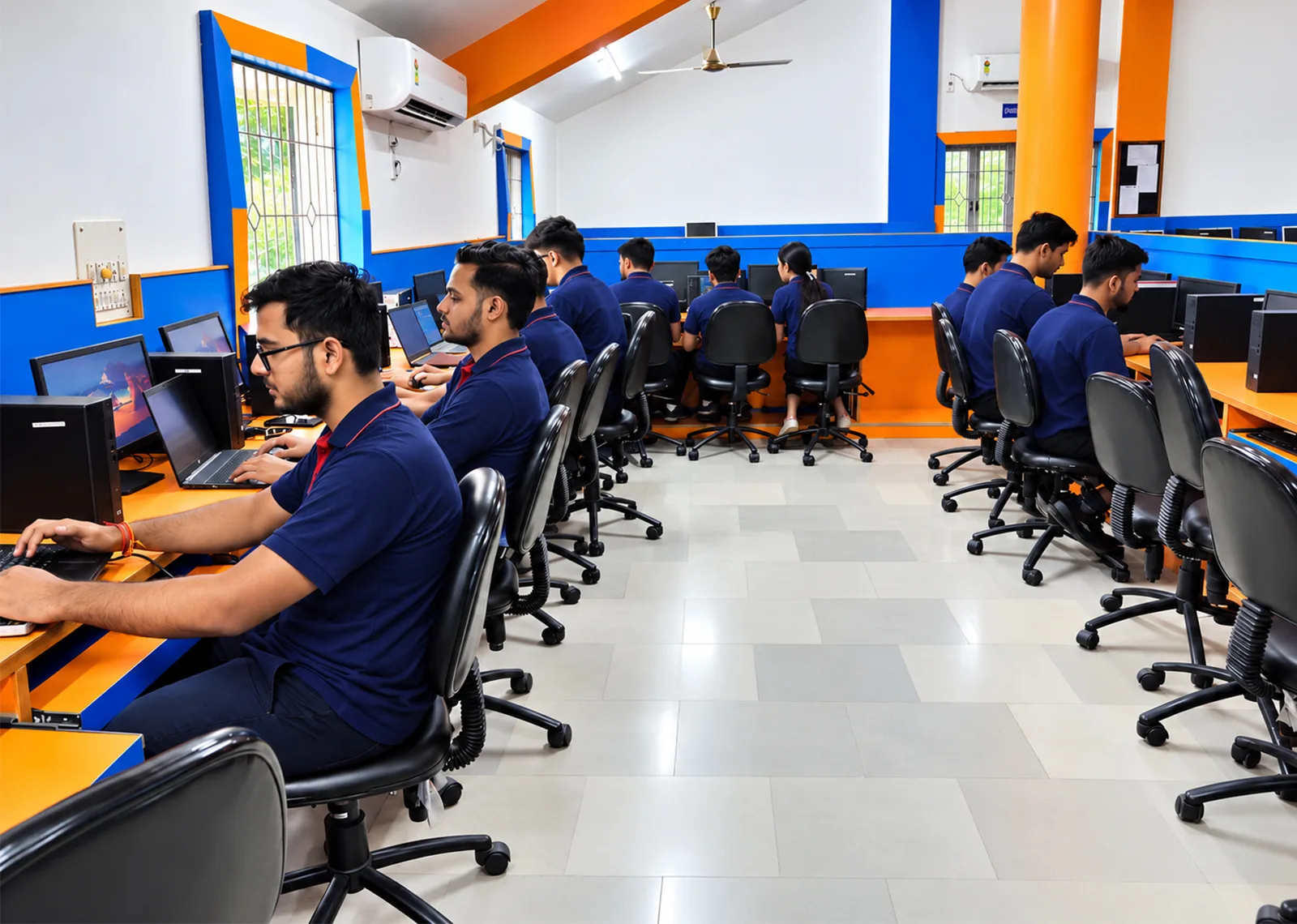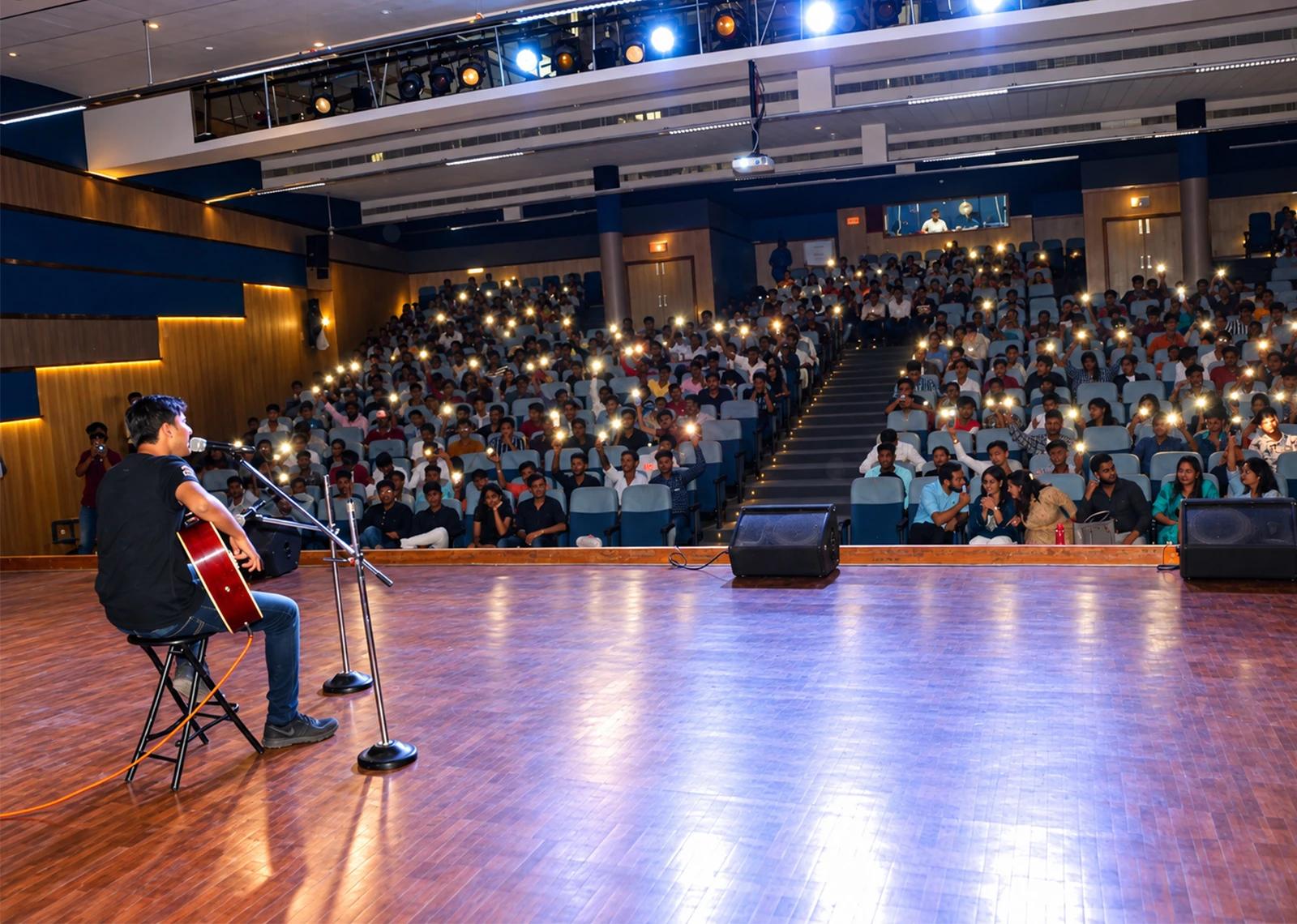

The School of Computer Applications (SCA) at Tulas University is part of a prestigious NAAC A+ accredited university, with its Master in Computer Applications (MCA) programme accredited by the National Board of Accreditation (NBA). The School offers undergraduate and postgraduate programmes that integrate strong academic foundations with practical learning, research, innovation, and emerging technologies. Its academic approach focuses on developing technical competencies, critical thinking, creativity, and industry readiness.
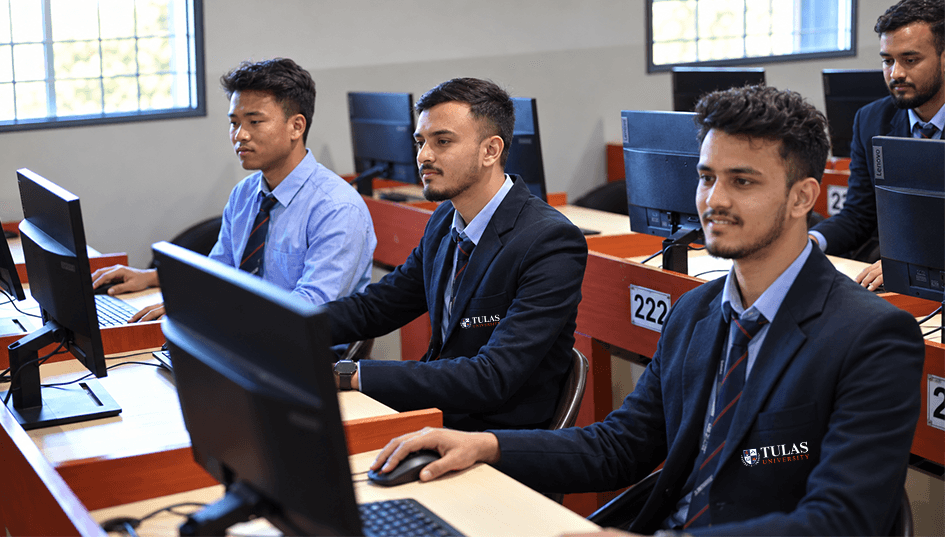
Students gain knowledge and hands-on experience across diverse technology domains, including Artificial Intelligence, Machine Learning, Full Stack Web Development and Cyber Security. With experienced faculty members, modern computing infrastructure, industry collaborations with MongoDB, AWS, GeeksforGeeks and CampusSutra, expert-led workshops, hackathons, technical competitions, and hands-on learning opportunities, SCA fosters a dynamic environment that encourages innovation, collaboration, and continuous learning.
At the School of Computer Applications, our aim is to nurture future-ready professionals, innovative problem-solvers, and responsible technology leaders equipped to address real-world challenges, drive technological advancement, and make meaningful contributions to society and the ever-evolving digital world.
“To be a centre of excellence in education of computer applications, software development, research, and technology services, while empowering the students to become innovative and responsible global professionals.”
School of Computer Applications — Tula’s University
To provide education that meets the evolving needs of the software development and technology services industry.
To nurture a thriving research ecosystem that inspires and supports interdisciplinary teamwork.
To focus on innovation, address real-world challenges, and link academic insights with practical applications.
To empower students by providing practical learning experiences, personalized mentorship, and opportunities for global engagements.
To instil ethical values and a spirit of social commitment.
Welcome to the School of Computer Applications, Tulas University, Dehradun.
We are committed to providing quality education that blends strong academic foundations with practical learning, innovation, research, and industry exposure. The School is NBA Accredited, reflecting our commitment to outcome-based education and continuous improvement. With dedicated faculty, modern learning facilities, and exposure to emerging technologies, we strive to prepare students for the evolving demands of the technology industry.
Beyond academic and technical excellence, the School of Computer Applications is committed to nurturing integrity, responsibility, empathy, effective communication, and ethical leadership. We inspire our students to think critically, question conventions, explore new possibilities, embrace challenges, learn from failures, and pursue continuous growth.
Our vision is to shape future-ready technology professionals, ethical leaders, innovative entrepreneurs, and socially responsible citizens who can make meaningful contributions to the digital world and society. We strive to empower every student with the knowledge to excel, the technical skills to innovate, the confidence to lead, and the values and character to create a positive impact.
I warmly welcome you to the School of Computer Applications, Tulas University, and invite you to embark on an inspiring journey of learning, innovation, personal growth, leadership, and transformation as we shape the future together.
— Dr. Priya Matta, Dean, School of Computer Applications
You start by writing code and building web pages, then build full-stack apps, then add AI features, and finish with a complete AI-powered product. By graduation you have at least two live, deployed applications any employer or client can open and test, plus placement preparation and freelancing skills.
Explore ProgrammeA strong foundation in computing, hands-on full stack development, and multiple specialization pathways — Tulas Institute's BCA in Full Stack Development is built for an industry-integrated, research-ready, future-ready graduate profile.
Students build a strong computing core — programming, databases, software engineering, networking, and web technologies — then choose from specialisation opportunities in emerging domains such as Artificial Intelligence, Machine Learning, Full Stack Development, and Cloud Computing. Industry-integrated learning through live projects, case studies, hackathons, workshops, and expert sessions

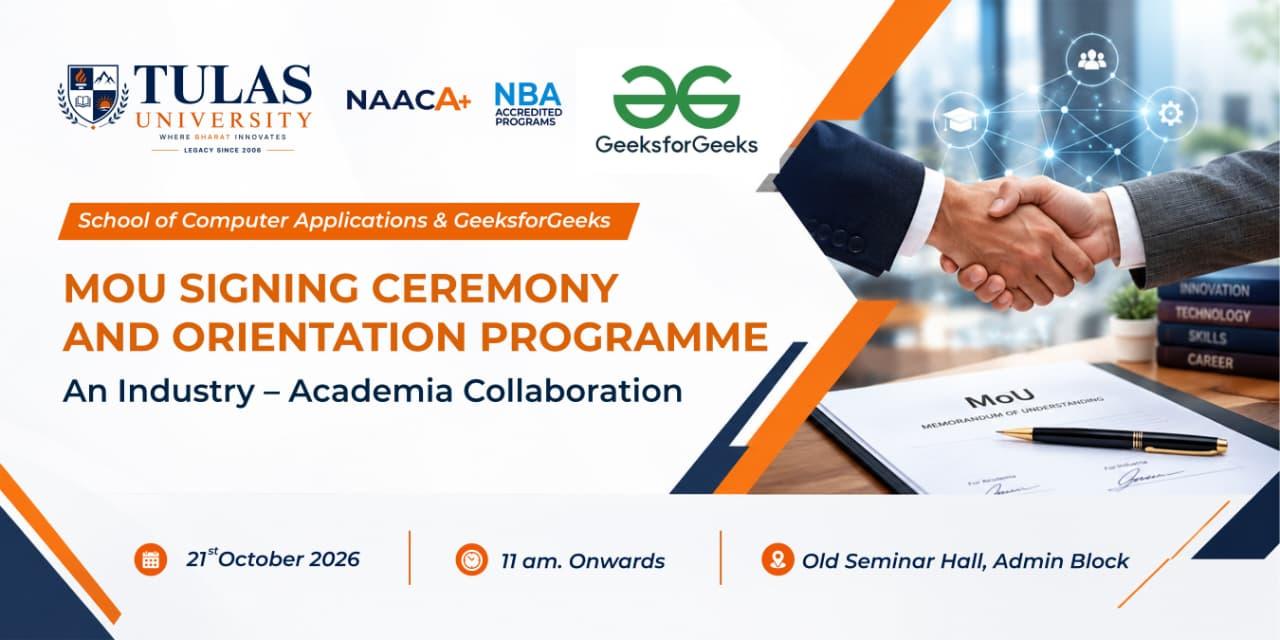
Mou Signing GeeksforGeeks
-1.png&w=3840&q=75)
Industrial visit to STPI

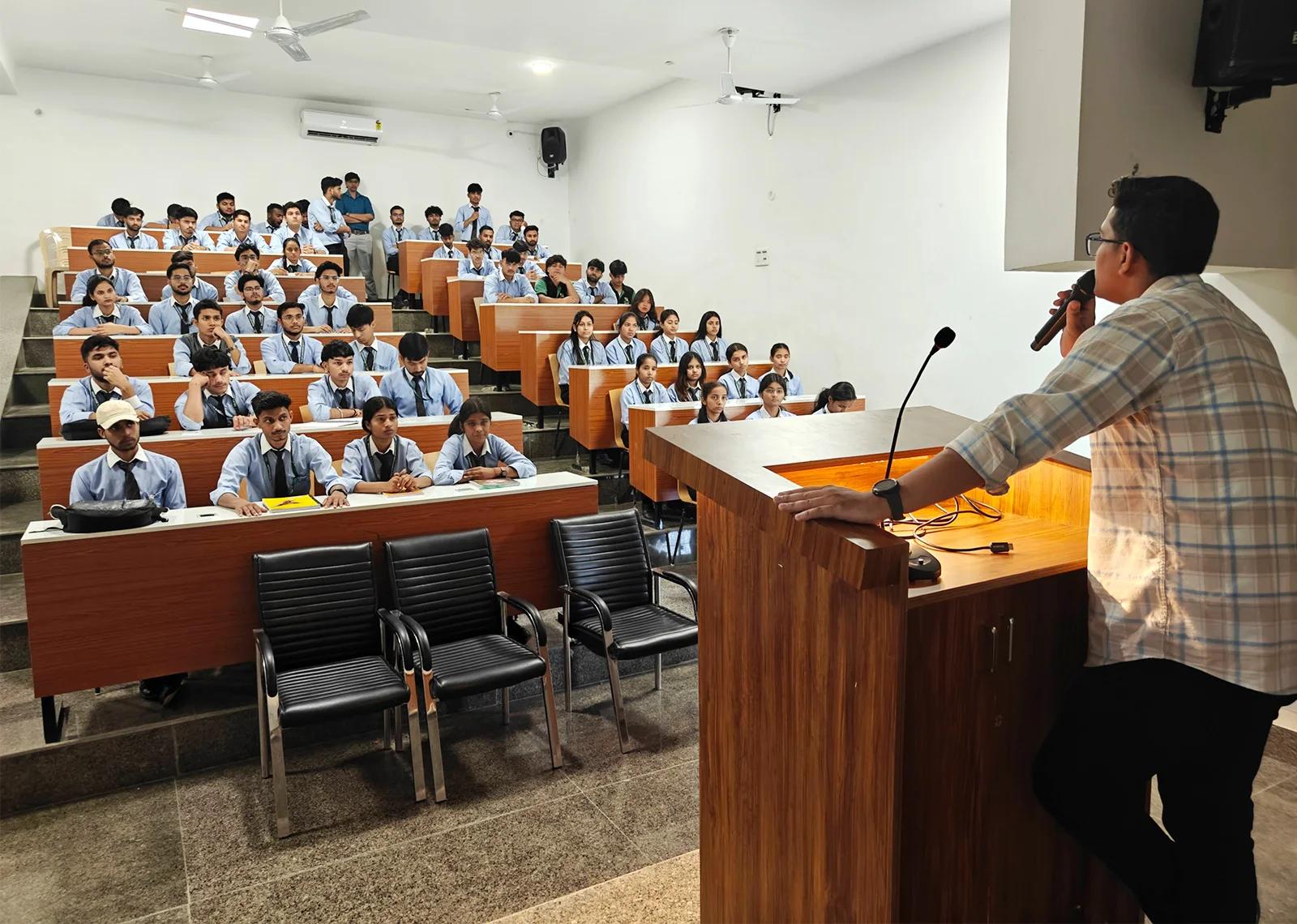
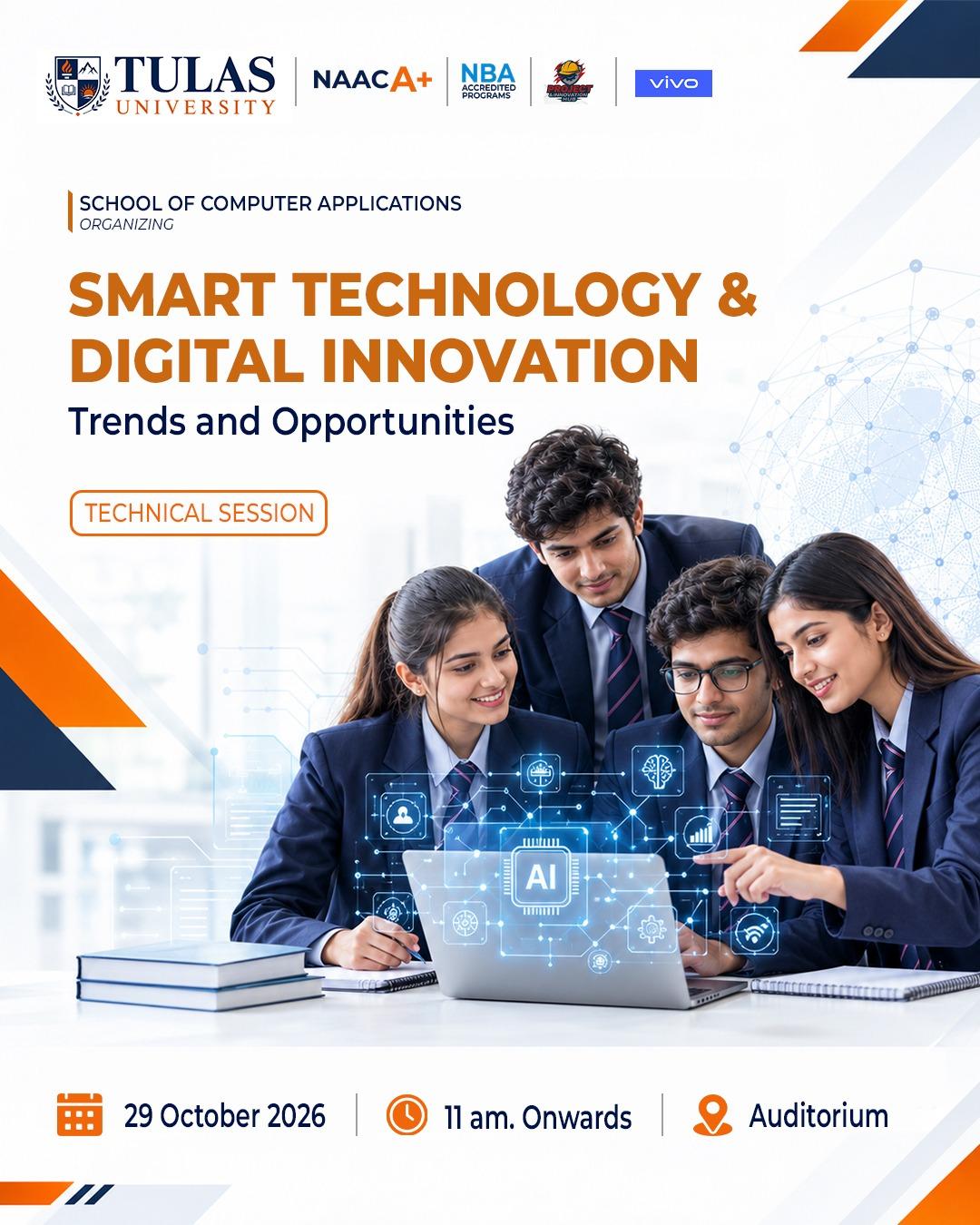
Smart Technology & Digital Innovation – Trends and Opportunities (Technical Session)
Expert Lecture on “Exploring the AI Ecosystem"

Add-on Certification Course on “AWS Cloud Practitioner

CSI (Computer Society of India) is a professional platform that promotes the development of knowledge, skills, innovation, and professional excellence in the field of Computer Science and Information Technology. CSI provides opportunities for students to participate in various technical, academic, and professional activities. It helps students to stay updated with the latest technologies and developments in the field of Computer Science. Through different activities, workshops, seminars, competitions, and technical programs, CSI encourages students to improve their knowledge and develop the skills required for their academic and professional growth.

Digi Defend Cell is a student-focused technical cell dedicated to promoting Cybersecurity awareness, digital safety, cyber defence, ethical practices, and professional skills among students. The cell provides a platform for students to develop knowledge and practical understanding of various areas of Cybersecurity and Information Security. It encourages students to stay updated with emerging cyber threats, security technologies, cyber defence practices, and the evolving cybersecurity landscape. Through workshops, seminars, expert sessions, awareness programs, technical competitions, hands-on activities, cybersecurity challenges, and practical learning initiatives, Digi Defend Cell encourages students to strengthen their technical capabilities and develop the skills required for academic, professional, and responsible digital life. The cell also promotes responsible and ethical use of technology and creates awareness about protecting personal data, digital identities, computer systems, networks, applications, and other digital assets from cyber threats.

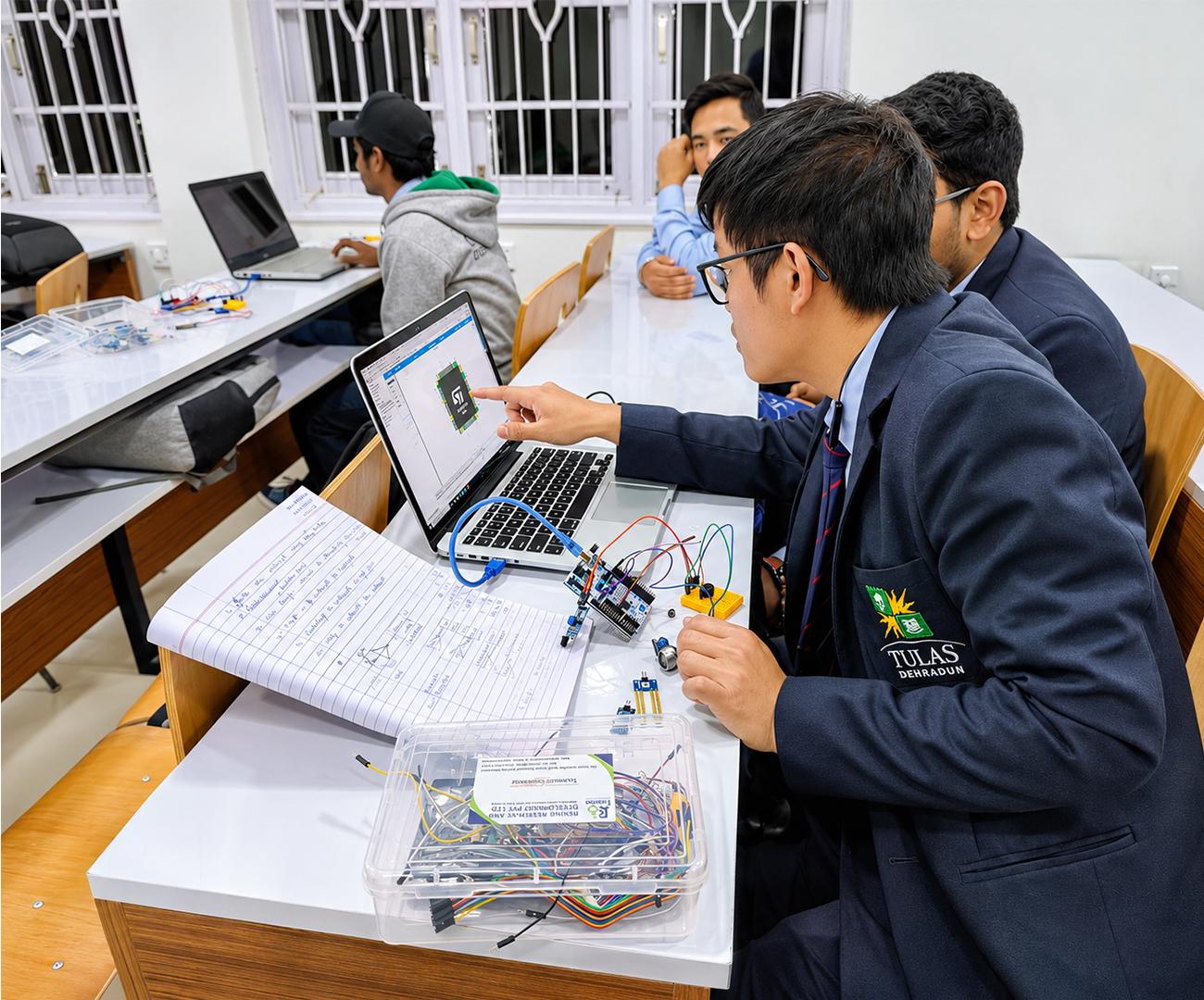
The club is a student-driven innovation platform, established in 2025 under the guidance of a senior faculty member. It follows a project-based learning approach, in which students do not just study concepts in the classroom but apply them to solve real-life problems. Rather than waiting for instructions, members are encouraged to observe the world around them, identify genuine problems faced by people, communities, or industries, and come forward with creative ideas to address them. Day-to-day supervision is handled by experienced faculty members, who oversee project approvals, mentoring, and progress reviews, ensuring that every project stays on the right track. At the heart of the club’s working is the idea that students themselves propose real-life project ideas. A student or a small team begins by studying a problem in depth, such as a challenge in education, healthcare, agriculture, environment, technology, or daily campus life. They then prepare a proposal explaining the problem, the proposed solution, the expected outcome, and the resources required. Projects may also be suggested by faculty coordinators, but students are always free, and strongly encouraged, to bring forward their own original ideas.
Still have a question?
Our admissions team is happy to help with programmes, fees, hostels and anything else you need to know.