A specialised postgraduate programme built to develop advanced expertise in crop production, soil science, and sustainable farming practices — combining scientific understanding, analytical thinking, and field-based application to address modern agricultural challenges.
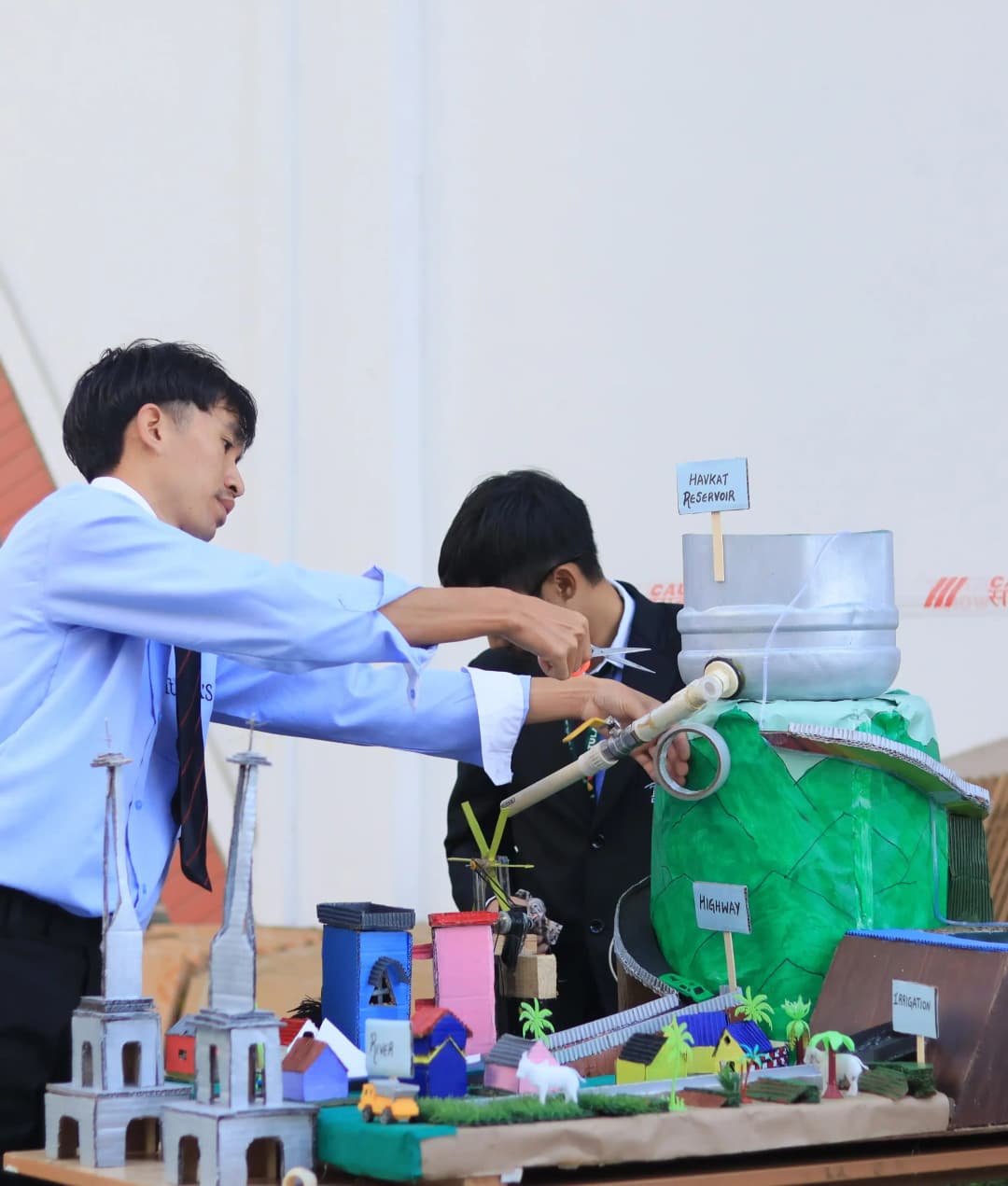
The M.Sc. in Agronomy at Tulas University builds advanced expertise in crop production, soil science, and sustainable farming practices — developing the scientific understanding and analytical thinking modern agriculture demands.
Structured to go beyond classroom learning, the programme integrates academic depth with field-based application. Students learn to understand crop systems, optimise resource use, and adopt innovative techniques that improve productivity while maintaining ecological balance — covering crop physiology, soil fertility management, agronomic practices, weed management, water resource management, and climate-resilient agriculture. Interdisciplinary inputs from environmental science, biotechnology, and agricultural economics let students approach farming systems holistically, with strong emphasis on research, data analysis, and field experimentation through laboratory work, field trials, and research projects.
"Extension activities, workshops, and rural engagement initiatives foster leadership, innovation, and a deep sense of responsibility towards sustainable agriculture."
| Course | Duration | Eligibility |
|---|---|---|
| M.Sc. (Agronomy) | 2 years | Passed B.Sc. Agriculture / B.Sc. Horticulture / B.Sc. Forestry from a recognised university |
Advanced crop physiology and modern production systems.
Soil fertility management and advanced irrigation agronomy.
Weed biology, herbicides, and integrated weed management.
Sustainable and climate-resilient farming systems.
Extension activities, workshops, and rural community engagement.
Research methodology and interactions with agri-business firms.
Crop Physiology · Soil Fertility Management · Weed Science · Water Resource Management · Agro-Meteorology · Cropping Systems
Foundational agronomy, crop physiology, and research methodology.
Soil fertility, water management, and the first field-based research project.
Weed management, climate-resilient agriculture, and internships with agri-business firms.
Advanced research, extension engagement, and a final dissertation/thesis project.
Advanced expertise in crop production, soil science, and sustainable farming practices.
Curriculum aligned with contemporary agricultural practices and emerging global needs.
Interdisciplinary inputs from environmental science, biotechnology, and agricultural economics.
Strong emphasis on research, data analysis, and field experimentation.
Hands-on experience through laboratory work, field trials, and research projects.
Practical exposure through internships, field visits, and interactions with agricultural organisations and agri-business firms.
Extension activities, workshops, and rural engagement initiatives.
Dedicated placement support across the programme.
Pathways into agriculture, research, agribusiness, and allied sectors.
Built around laboratory work, field trials, and independent research projects that sharpen analytical thinking and scientific rigour.
Environmental science, biotechnology, and agricultural economics woven into every aspect of the programme for a holistic understanding.
Academic depth paired directly with hands-on field practice — from crop physiology trials to water resource management experiments.
Dedicated training in sustainable, climate-resilient agricultural practices and precision agronomy technologies for the future of farming.
Structured exposure to agricultural organisations, research universities, and agri-business firms across government and private sectors.
Extension activities and community workshops connecting students directly to real farming communities and ground-level agricultural challenges.
Dedicated placement support across the programme with access to 750+ recruiters spanning agriculture, research, and agribusiness sectors.
A strong research foundation preparing graduates for Ph.D. programmes and advanced agricultural research careers at national universities.
Clear pathways into agriculture, research, agribusiness, government services, and allied sectors — opening doors across the full agri ecosystem.
World's Leading Brands
Hire Our Talented Students