
NBA accredited
NAAC A+
Tulas University

Apply Now

For Session 2026-27

RESEARCH & INNOVATION

Research Policy

Building a culture of ethical, inclusive, and impactful research through opportunity, support, and recognition.

Seed Grant for Faculty Members

To promote a strong culture of research and innovation, the Centre for Innovation, Research and Entrepreneurship (CIRE) provides a Seed Grant Scheme to faculty members. Eligible faculty members holding a Ph.D. or M.Tech. degree may receive financial support of up to Rs. 1,50,000 per academic year to initiate innovative research projects, generate preliminary findings, and strengthen proposals for external funding. The scheme reflects the University's commitment to nurturing innovative ideas, enhancing research capacity, and empowering faculty members to undertake high-quality, impactful research.
Seed Grant for Student Projects

Interdisciplinary research is important for solving real-life societal problems. The University encourages and facilitates students to undertake interdisciplinary projects and field studies. Selected student projects may receive grants of up to Rs. 50,000, depending on project feasibility. The number of projects and sanctioned grant amounts may vary according to the recommendations of the research committee.

Policy for Promotion of Research and Innovative Ecosystem

Tulas University is committed to advancing cutting-edge, solution-oriented research that addresses emerging societal challenges and translates knowledge and innovation into sustainable, real-world impact. The University's research policy fosters academic excellence and guides every faculty member and student through guidelines that motivate, nurture, facilitate, and incentivise research activities. The policy framework presents detailed guidelines for achieving academic excellence.

Details of Research Ethics Policy

Tulas University has a well-defined research ethics policy that is mandatory for all stakeholders as recommended by funding agencies. Faculty members and students must follow ethical standards for research articles, undergraduate and postgraduate project reports, study material, and Ph.D. theses in accordance with AICTE, UGC, and other applicable authorities. The University maintains zero tolerance for plagiarized material, and plagiarism must be assessed according to the norms of the relevant funding agency.

Academic Leave

  • Faculty members may avail 14 days of academic leave to attend FDPs, conferences, workshops, and Ph.D. work.
  • Financial support of Rs. 15,000 is provided to faculty members for submission of their Ph.D. thesis.

Publication Incentives

To enhance excellence in research, the University encourages faculty members to publish high-quality research papers in reputed SCI/SCOPUS indexed peer-reviewed journals and conference proceedings. Through a robust Research Publication Incentive Policy, outstanding research contributions receive financial incentives. Journal articles, books, and book chapters are also eligible. The scheme promotes quality research, innovation, interdisciplinary collaboration, and continuous scholarly engagement while strengthening citation impact and institutional rankings.

Financial Support for Conferences, Seminars, Workshops and Society Membership

  • Faculty members are encouraged to attend conferences, seminars, and workshops in India on emerging and thrust areas in engineering, management, media, journalism, and agriculture.
  • The University provides partial financial assistance through registration fees for participation and paper presentation in Scopus-indexed conferences.
  • Financial assistance is also available for membership of renowned professional societies.

Financial Support for Filing Patent

  • The University provides 100% financial support to faculty members and students for filing patents.
  • Faculty members and students receive an incentive of Rs. 2,000 when filing a patent through external sources.
  • When a patent is commercialized, 60% of net revenues are allocated directly to the inventors.

Incentives for Funded Research Projects

The University gives due importance to funded research projects because they help augment research infrastructure. Incentives appreciating the efforts of faculty members range from 3% to 5%, depending on the received research project grant.

Consultancy and Remuneration / Honorarium Distribution

The University provides 70% of the consultancy amount to faculty members involved in consultancy work with industries, appreciating their contribution and effort.

Research Incentive Policy

Incentivising excellence in scholarly publication

Financial incentives for eligible journal publications encourage quality, visibility, and sustained scholarly contribution across the research ecosystem.

Rewards

Rewarding quality, not just volume

Incentives are based on journal category, author position, and eligibility.

Eligible outputs include journal articles, books, book chapters, and interdisciplinary publications.

Support is provided in accordance with the research incentive policy.

Scopus

₹7,500

01

First / corresponding author

High-impact visibility

Scopus

₹4,000

02

Second / third author

Collaborative recognition

Scopus

₹2,500

03

Other eligible authors

Inclusive contribution

SCI / Nature

₹15,000

04

First / corresponding author

Prestige-led impact

SCI / Nature

₹8,000

05

Second / third author

Research excellence

SCI

₹5,000

06

Other eligible authors

Consistent contribution

ABDC / NAAS

₹7,500

07

First / corresponding author

Academic leadership

ABDC / NAAS

₹4,000

08

Second / third author

Peer recognition

ABDC / NAAS

₹2,500

09

Other eligible authors

Broader scholarly support

Awards & recognition

Celebrating the work behind the impact.

Every recognition marks a shared effort: curious minds, committed mentors, and research that moves beyond the campus.

06moments of recognition
Award ceremony

Award ceremony

Research recognition

Research recognition

Honouring achievement

Honouring achievement

Celebrating excellence

Celebrating excellence

A moment of pride

A moment of pride

Tulas research community

Tulas research community

Research infrastructure

Center of Excellence

Spaces where research becomes practical capability, community impact, and future-ready innovation.

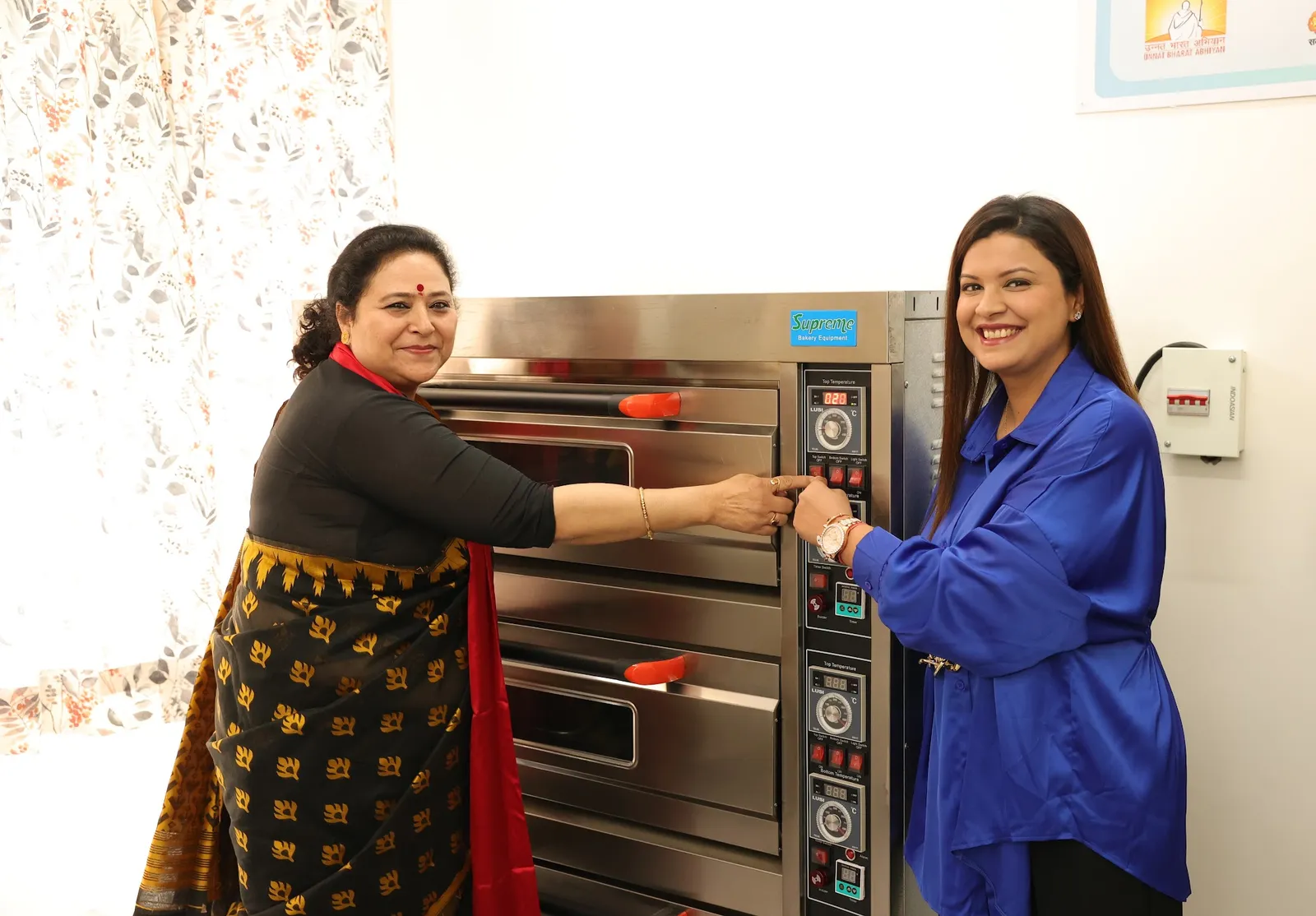
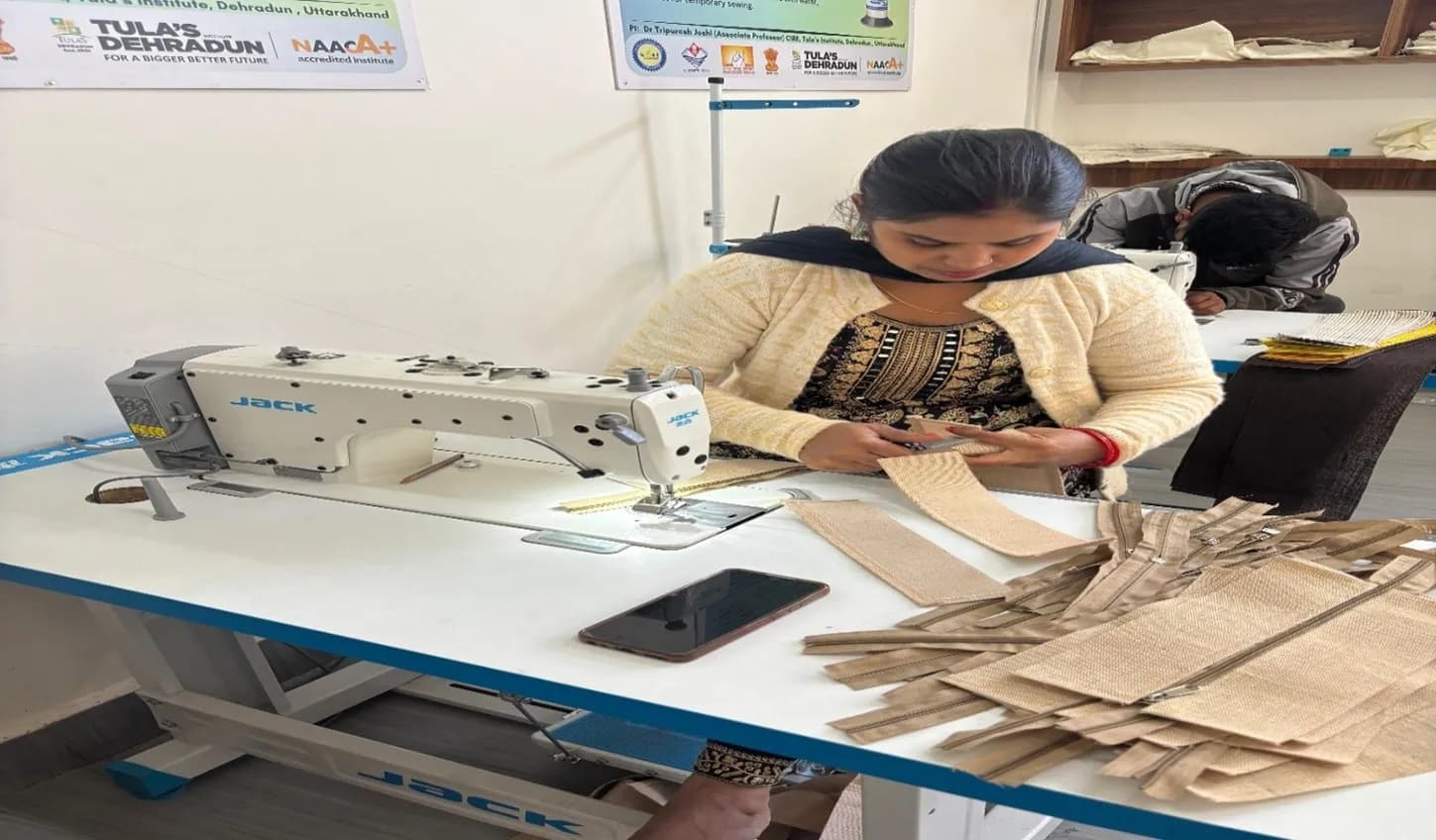
Technology Resource Centre (TRC) 1
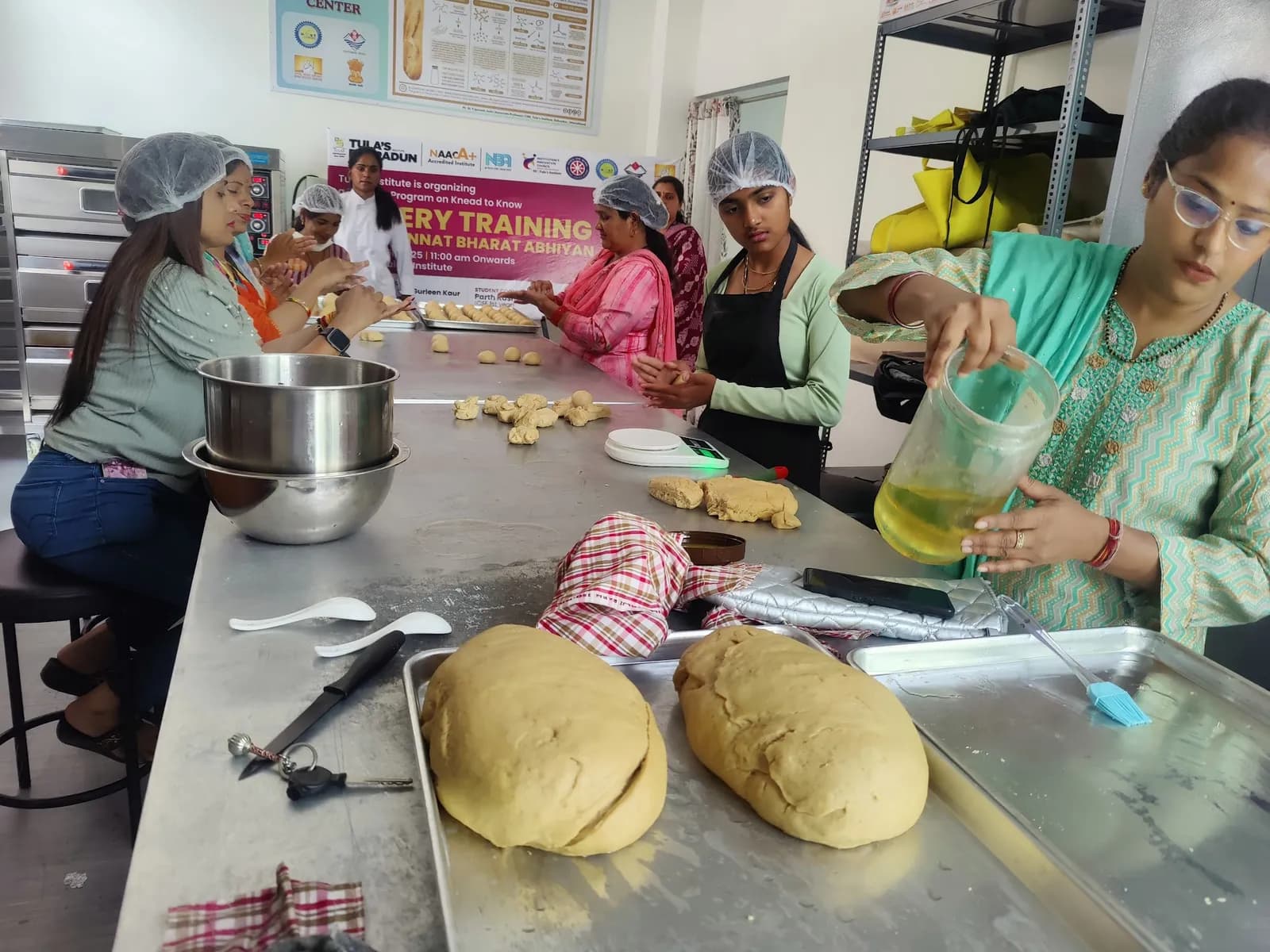
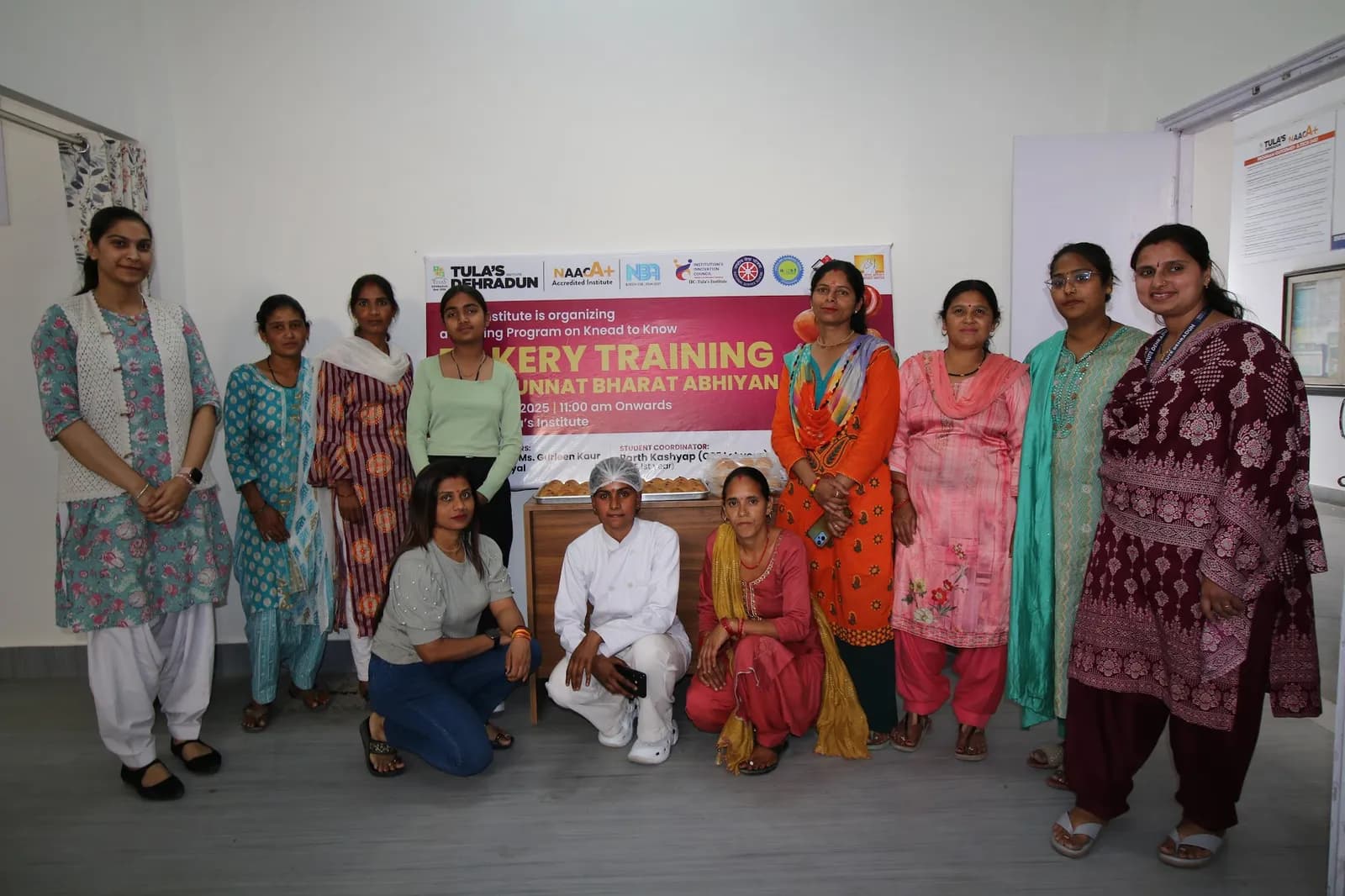
Technology Resource Centre (TRC) 2
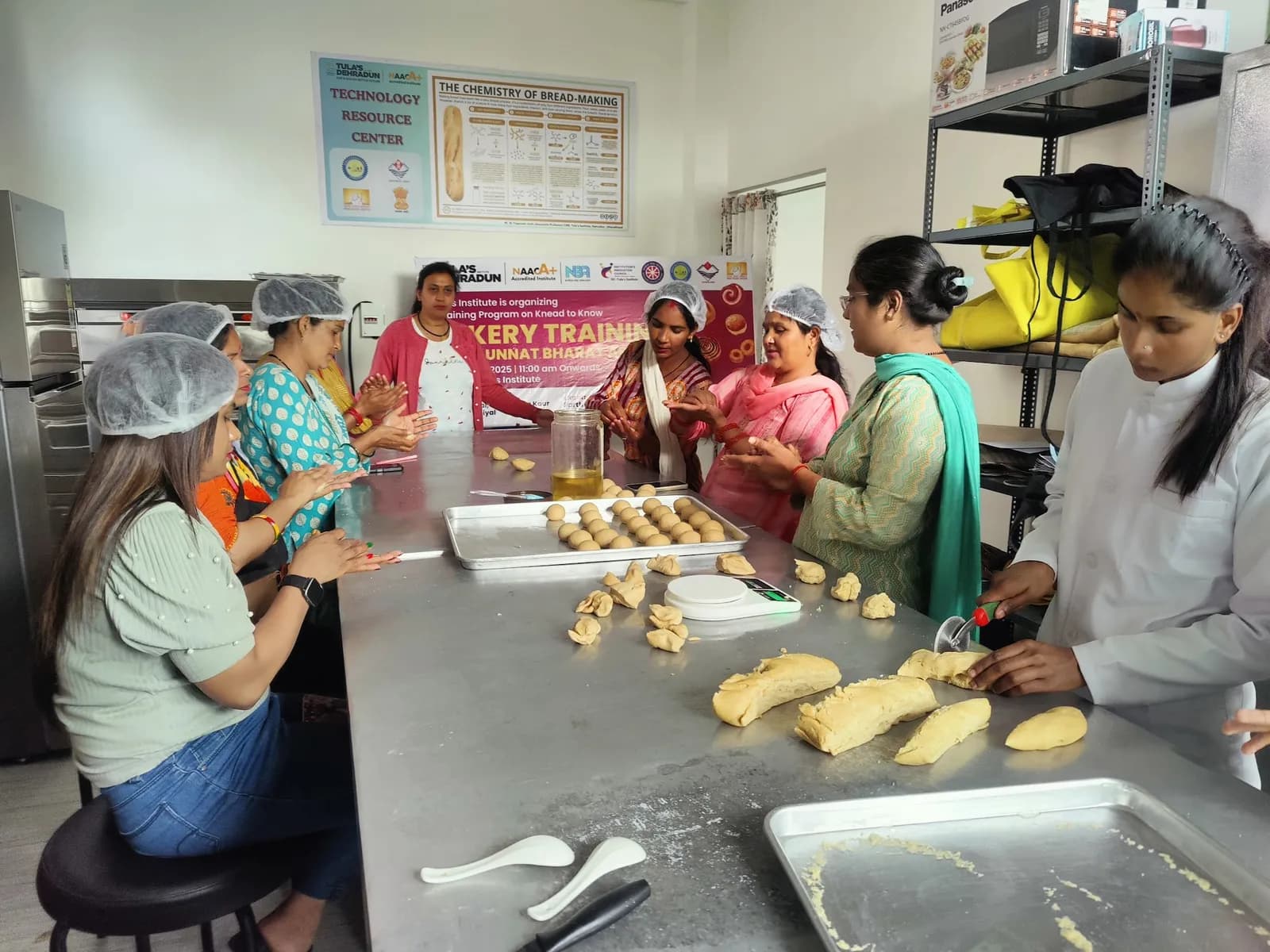
Technology Resource Centre (TRC) 3

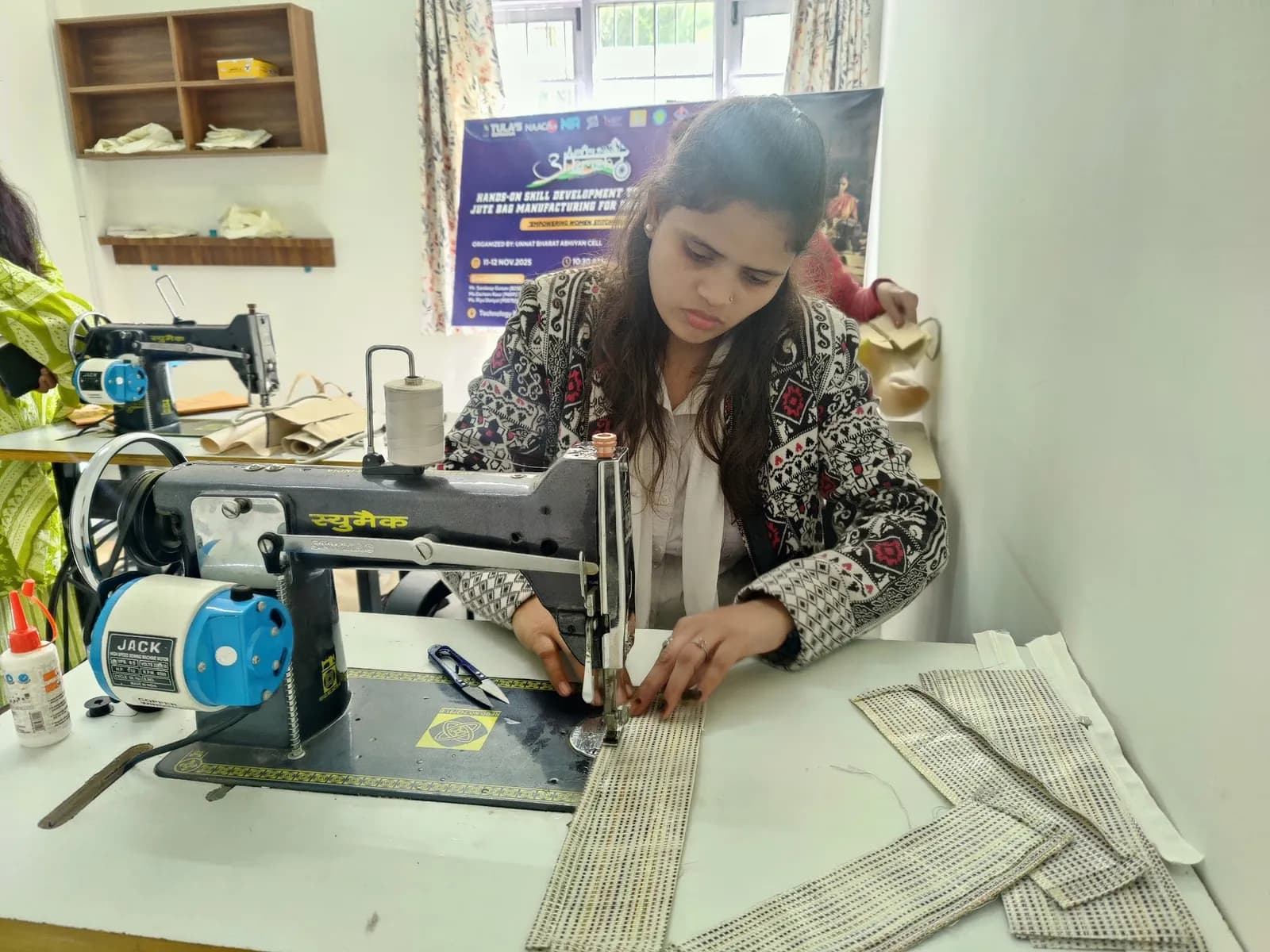
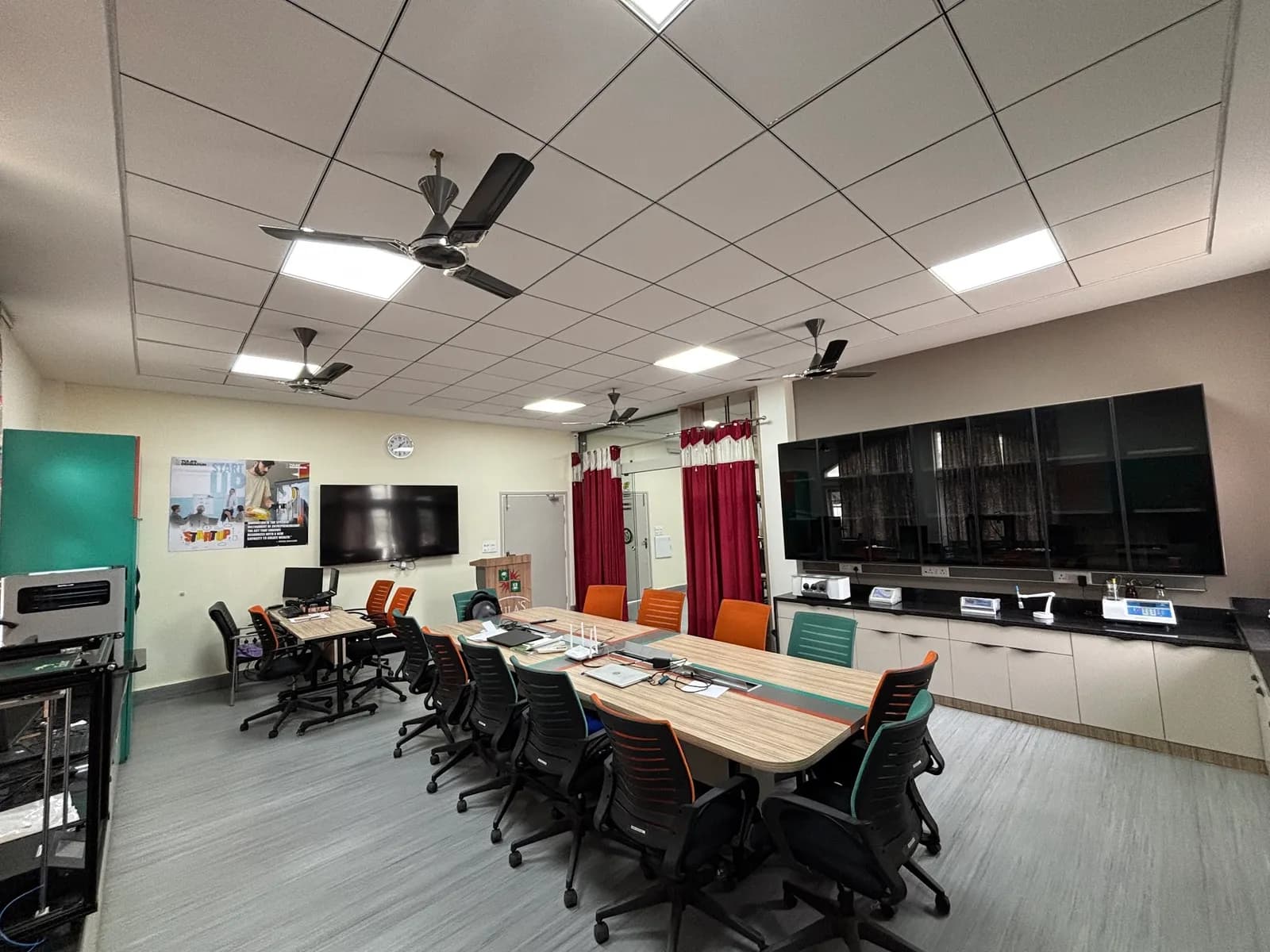
Technology Resource Centre (TRC)

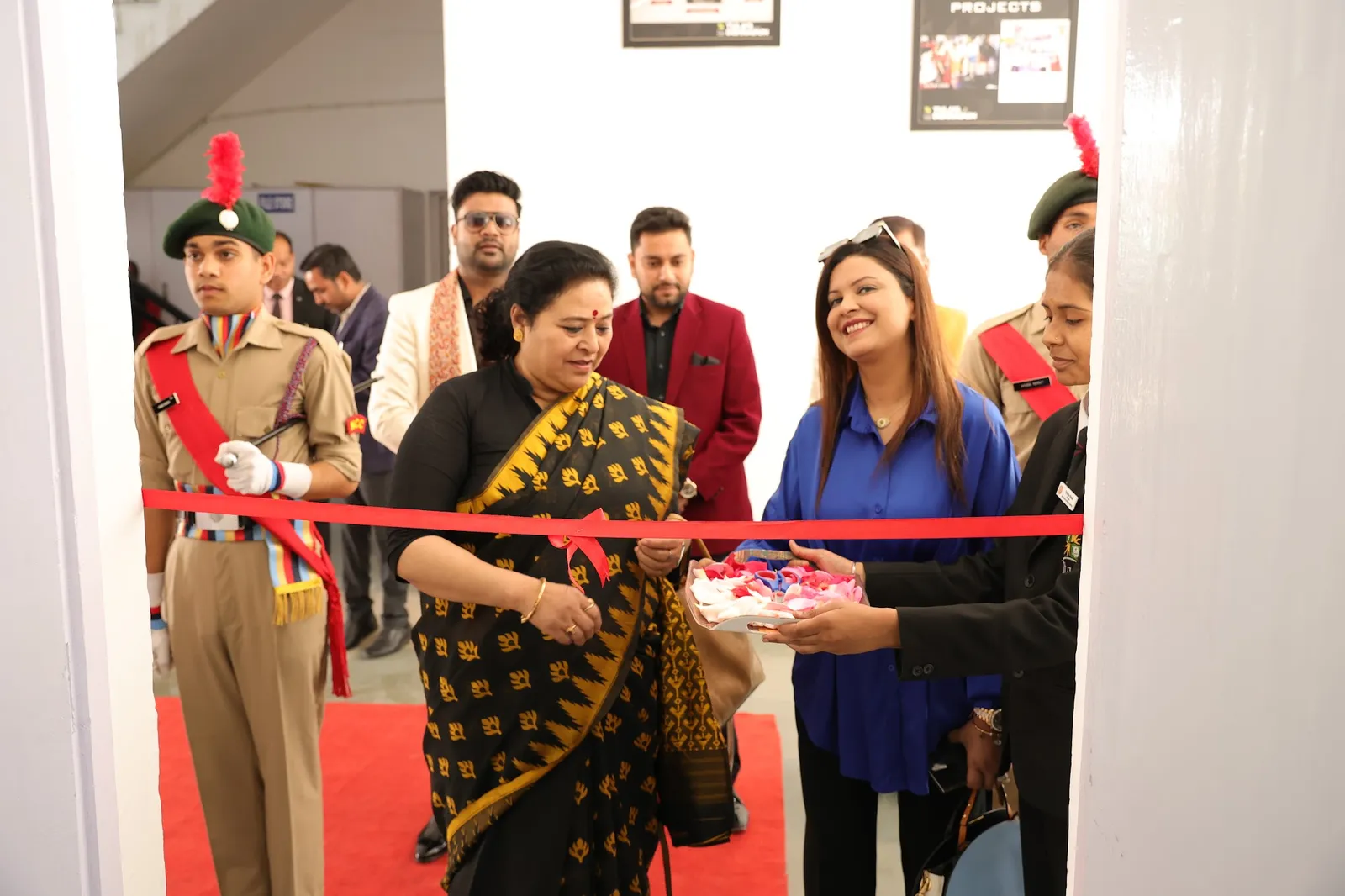
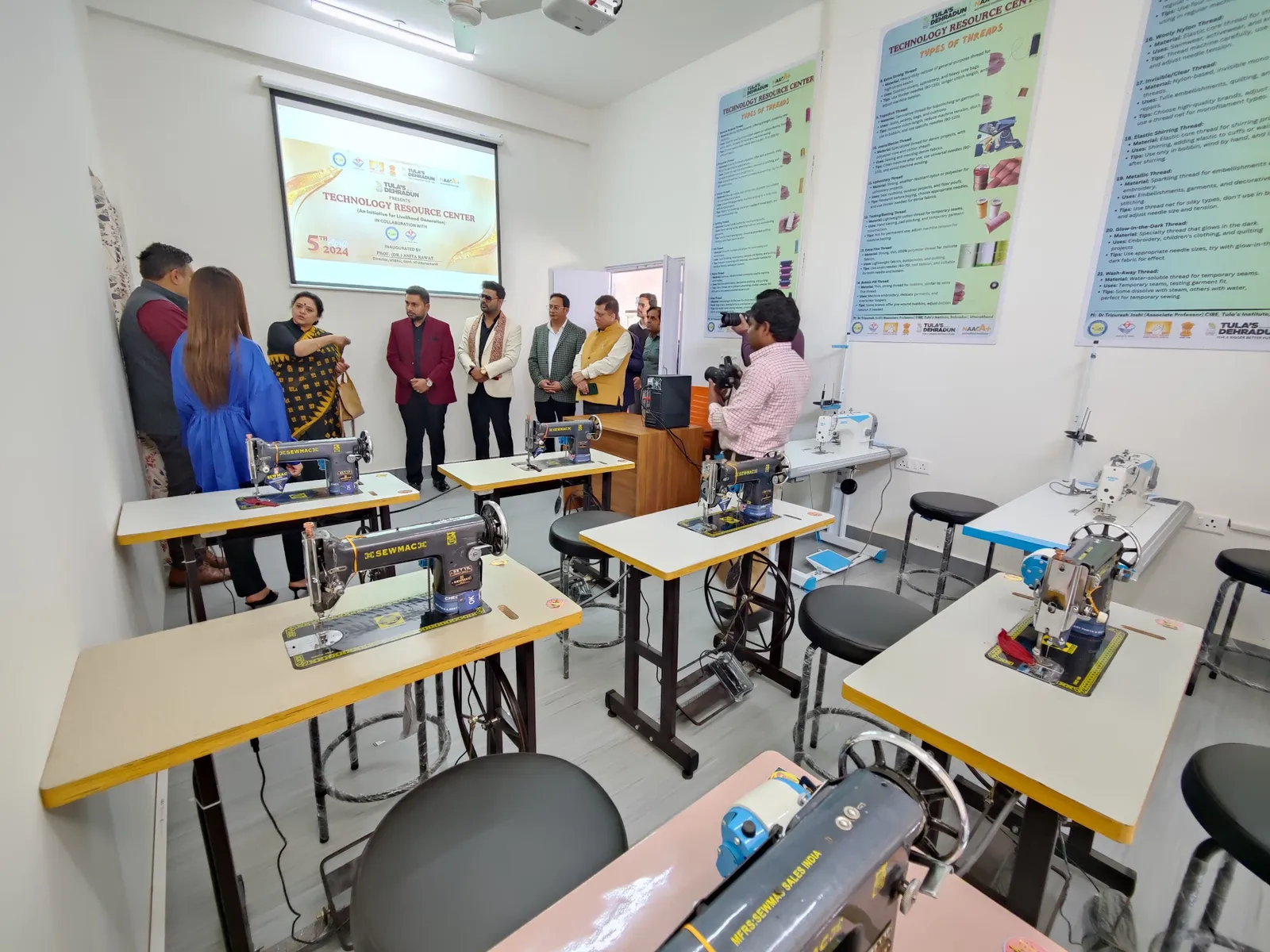
The Technology Resource Centre (TRC), established at Tulas University with financial support from the Uttarakhand State Council for Science and Technology (UCOST), Government of Uttarakhand, is dedicated to community empowerment, skill development, and sustainable livelihood generation. Aligned with the vision of Unnat Bharat Abhiyan, the Centre extends technical training and entrepreneurial support to five adopted villages of Selaqui, Dehradun, with a focus on Scheduled Caste, Scheduled Tribe, and economically disadvantaged communities. The TRC bridges academic expertise and community development through hands-on training in bag manufacturing, garment and cloth production, sewing and tailoring, bakery and food product development, and other livelihood-oriented skills. Through structured training, mentorship, production knowledge, quality standards, and market-oriented competencies, participants are empowered to establish micro-enterprises, generate sustainable income, and achieve financial independence. The Centre reflects Tulas University's commitment to inclusive growth, rural development, women empowerment, and social innovation by integrating education with community outreach.

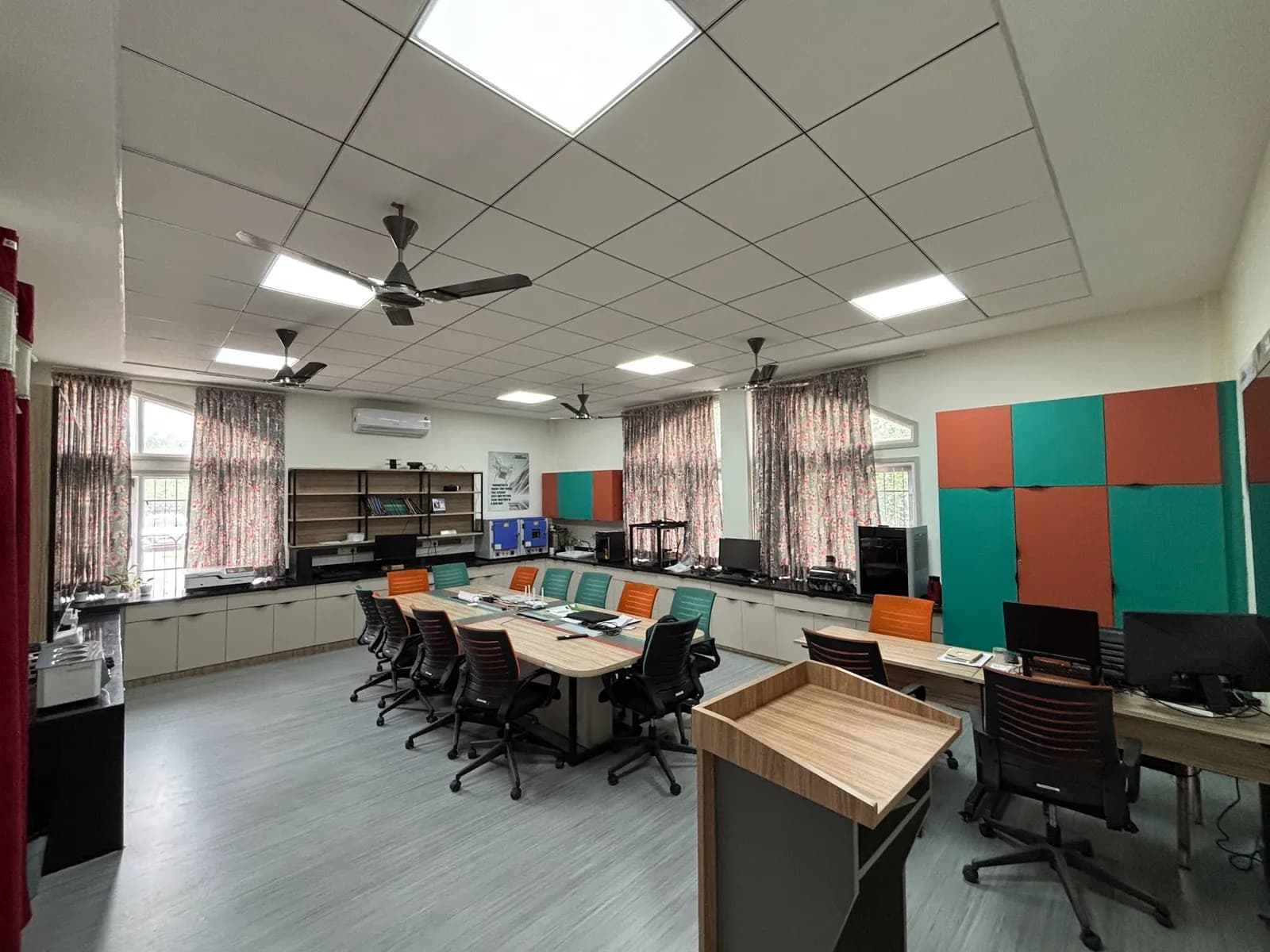
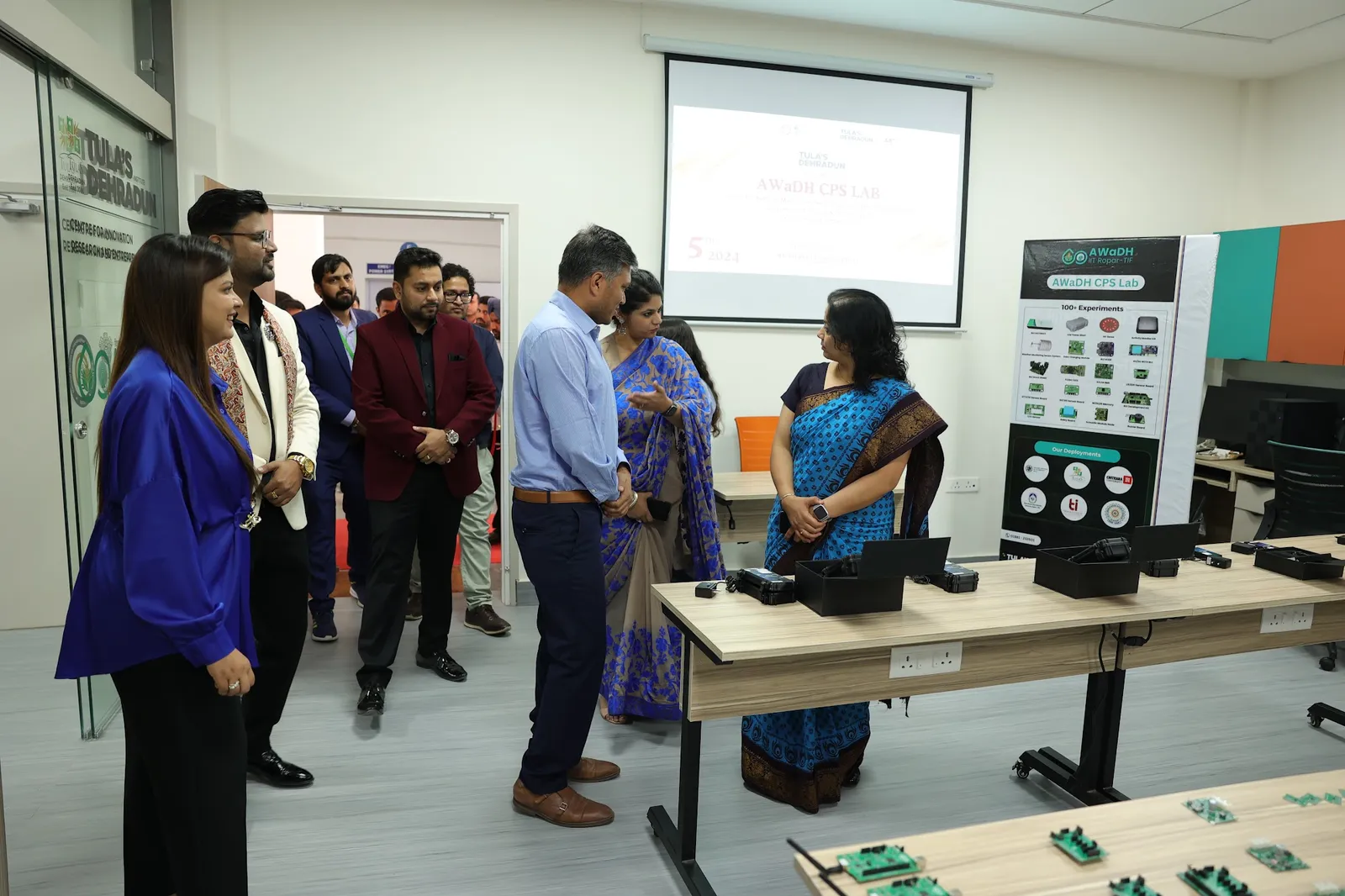
Cyber-Physical Systems (CPS) Lab 1
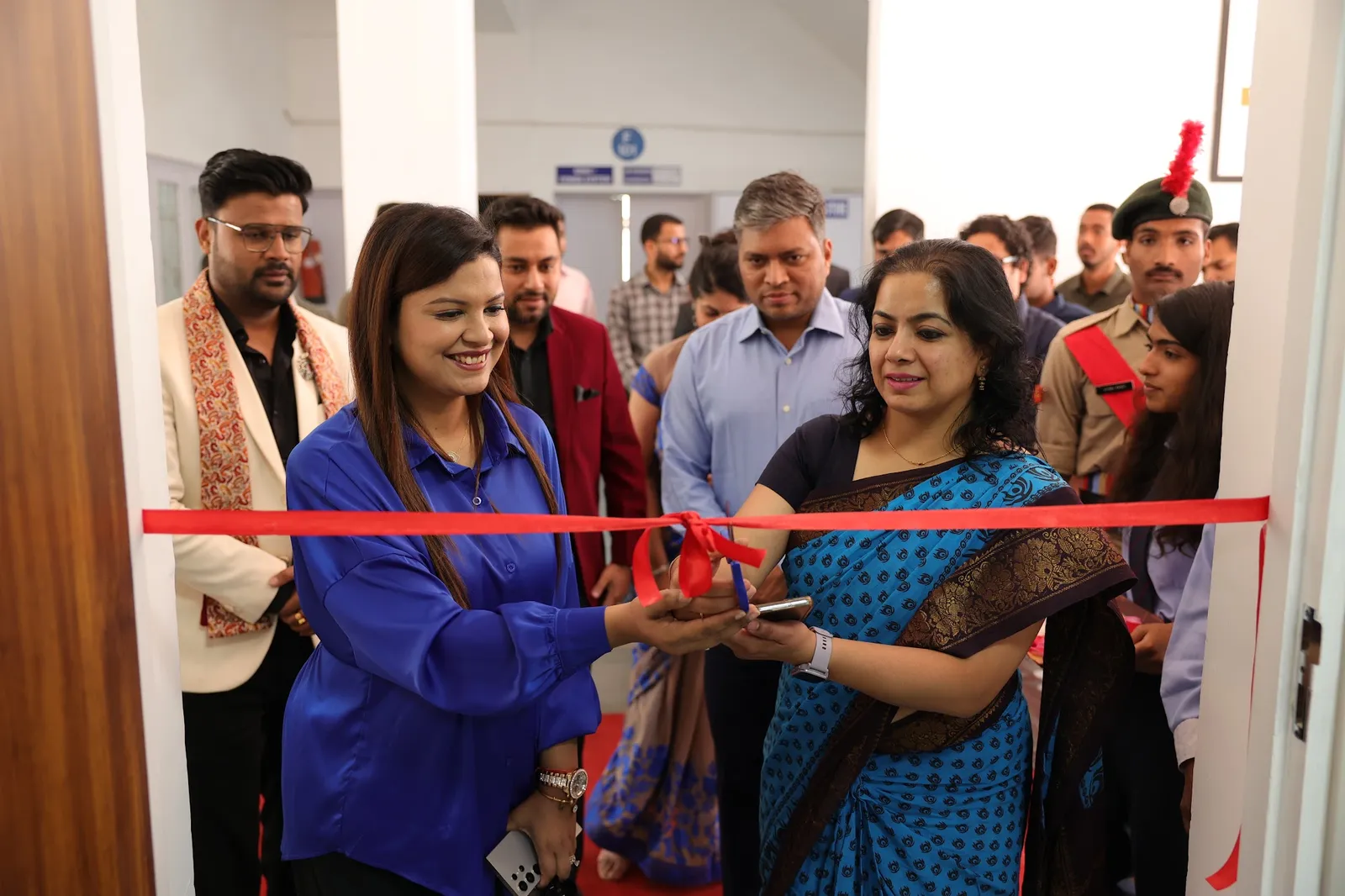
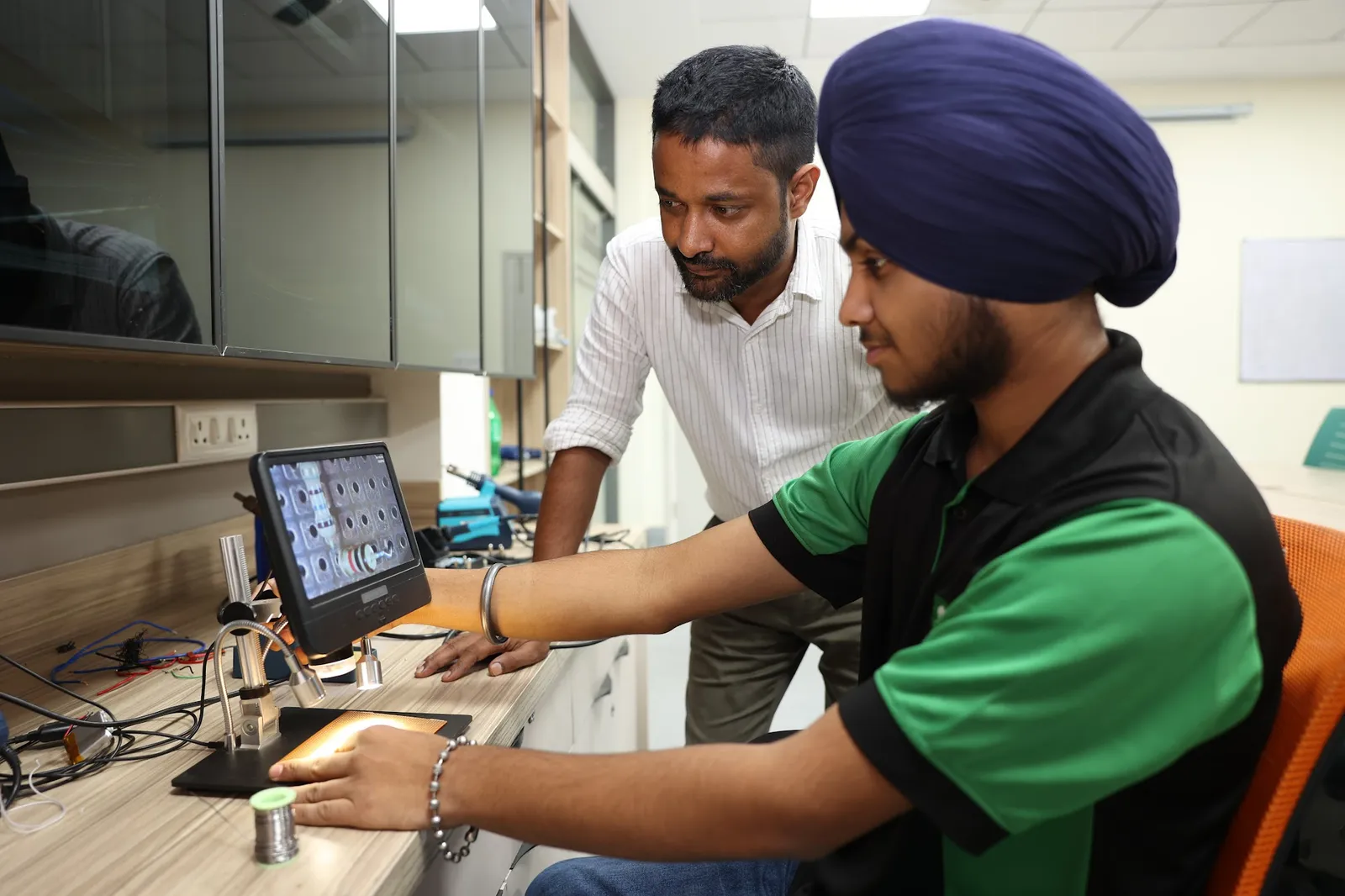
Cyber-Physical Systems (CPS) Lab 2
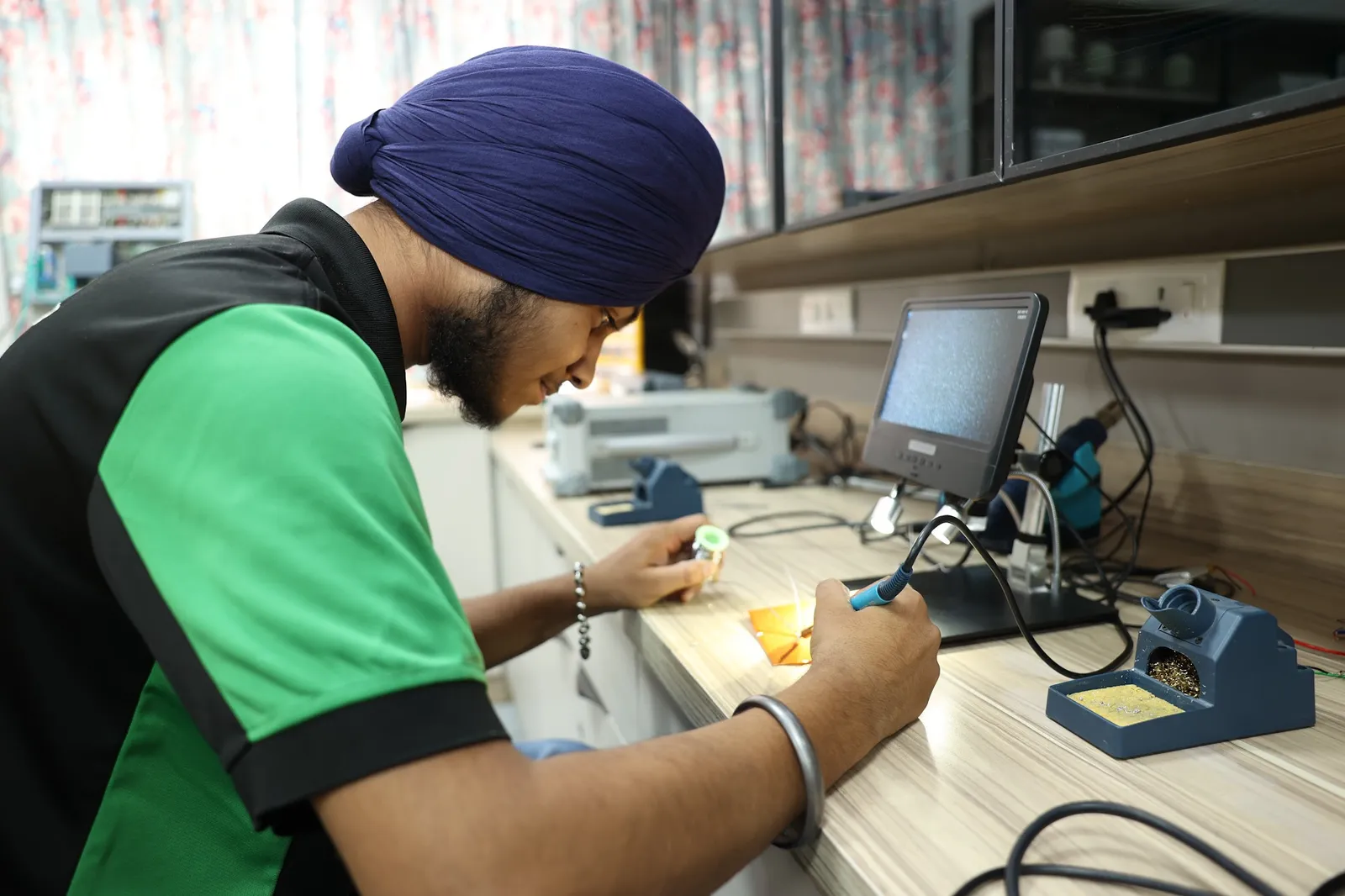
Cyber-Physical Systems (CPS) Lab 3

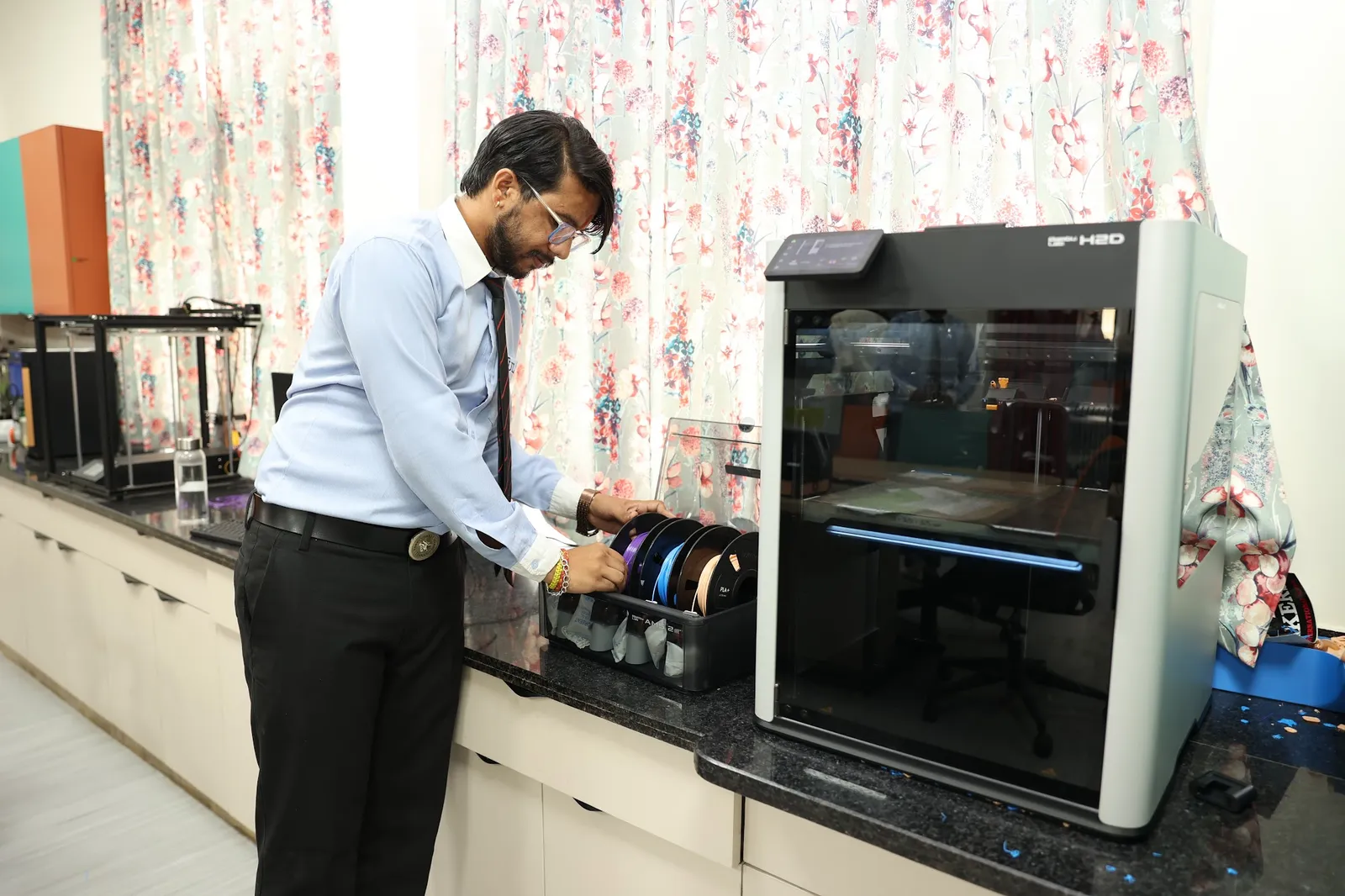
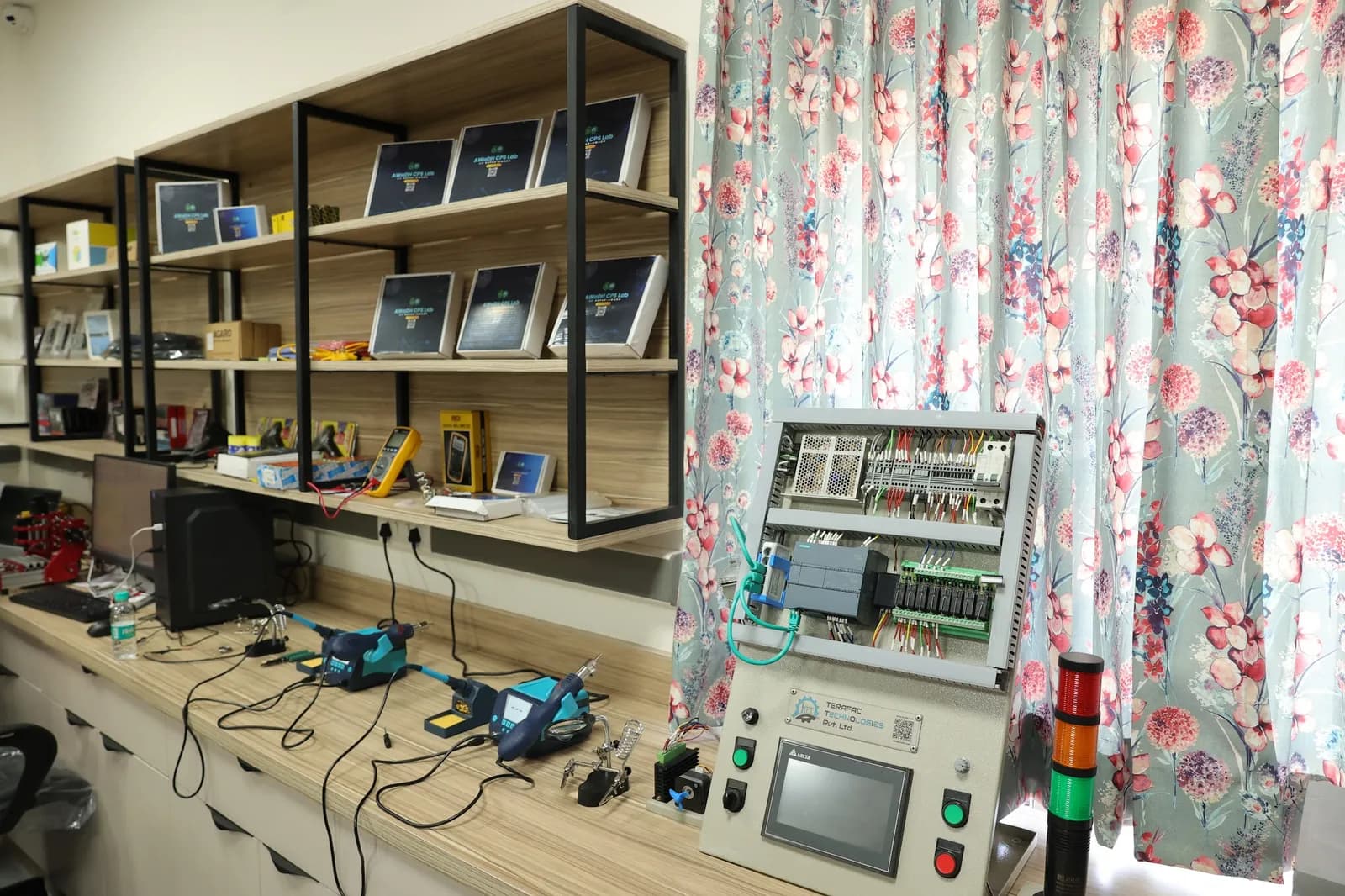
Cyber-Physical Systems (CPS) Lab

Empowering the Next Generation of Intelligent Systems

Established under the National Mission on Interdisciplinary Cyber-Physical Systems (NM-ICPS), the Cyber-Physical Systems (CPS) Lab at Tulas University is a centre for education, research, innovation, and skill development. Supported by iHub AWaDH, IIT Ropar, under the Department of Science and Technology, Government of India, it strengthens the University's future-ready innovation ecosystem. The multidisciplinary lab provides students, researchers, faculty, and innovators with advanced 3D printing and rapid prototyping systems, AI and Machine Learning workstations, embedded computing platforms, IoT development kits, robotics hardware, and environmental and industrial sensors. It brings together Artificial Intelligence, IoT, Robotics, Embedded Systems, Automation, Smart Manufacturing, Digital Twins, and Data Analytics to solve real-world challenges. Through project-based learning, FDPs, student training, workshops, hackathons, innovation challenges, and research collaborations, the CPS Lab builds practical Industry 4.0 and Society 5.0 capabilities and contributes to India's deep-tech ecosystem.

Strategic Collaborations

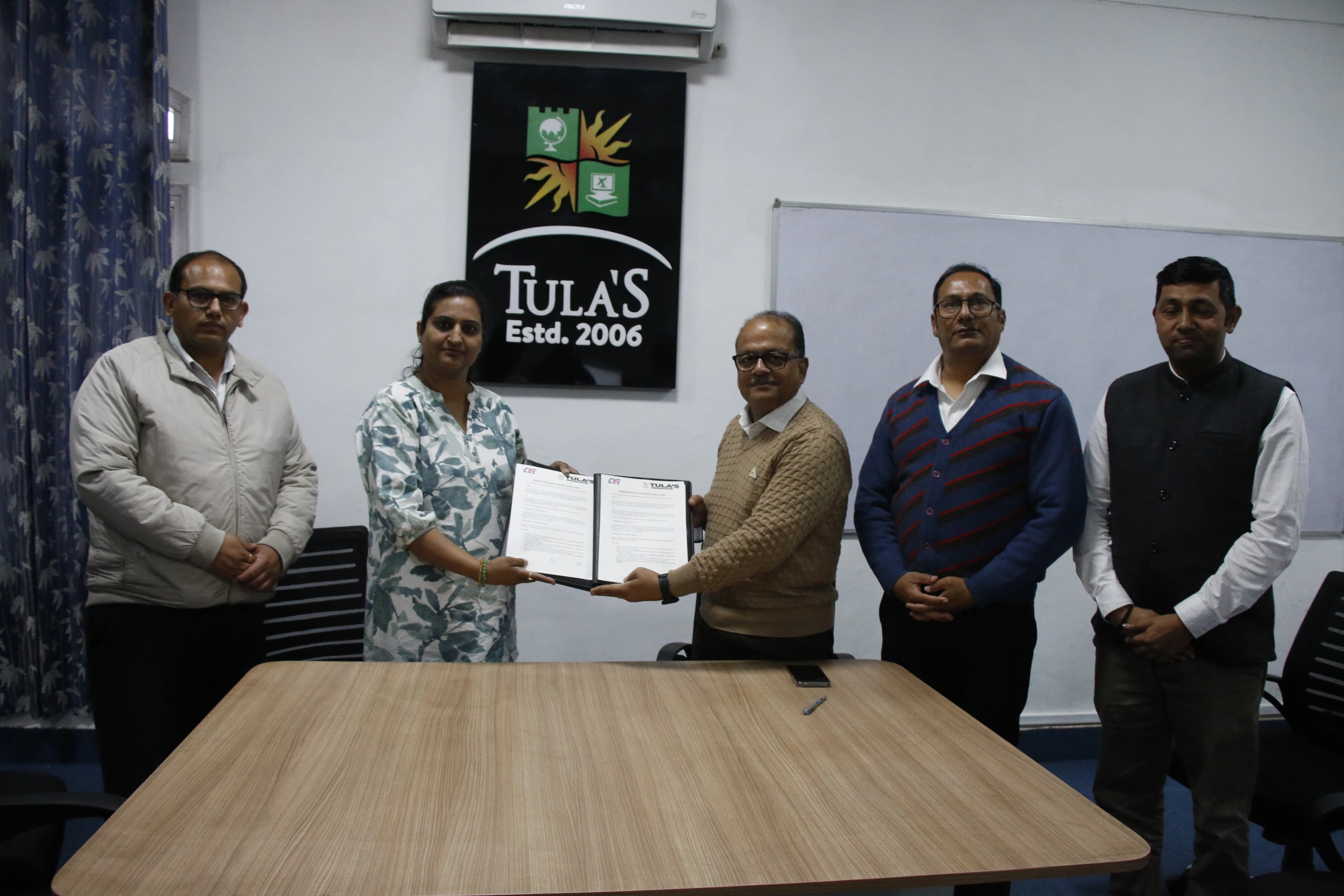
MoUs and institutional partnerships

Building a stronger research, innovation, and industry ecosystem through meaningful collaborations.

Research collaboration 1

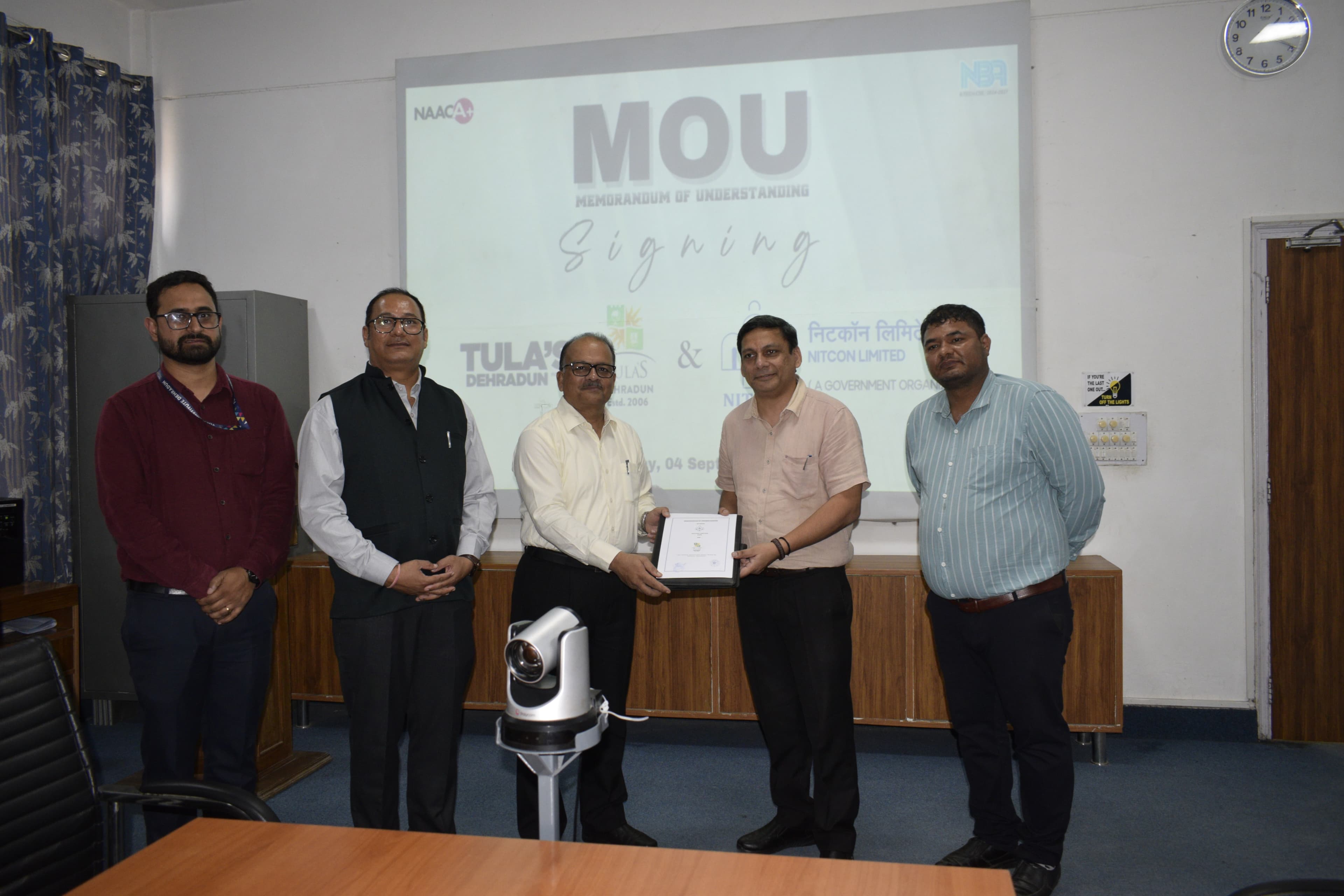
MOU with NITCON Limited

Research collaboration 2

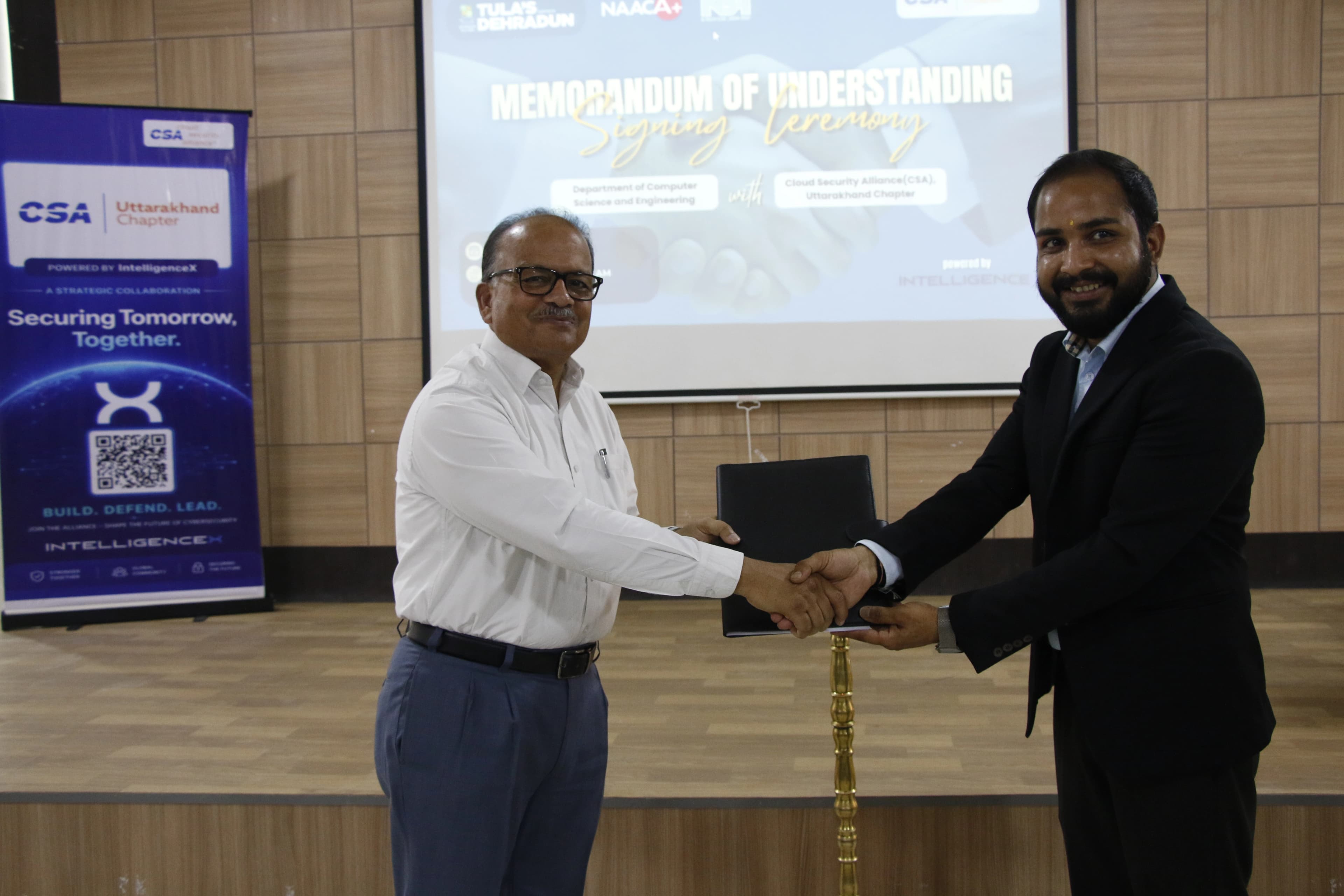
MOU with CSA Uttarakhand Chapter

Research collaboration 3

MOU with NASSCOM

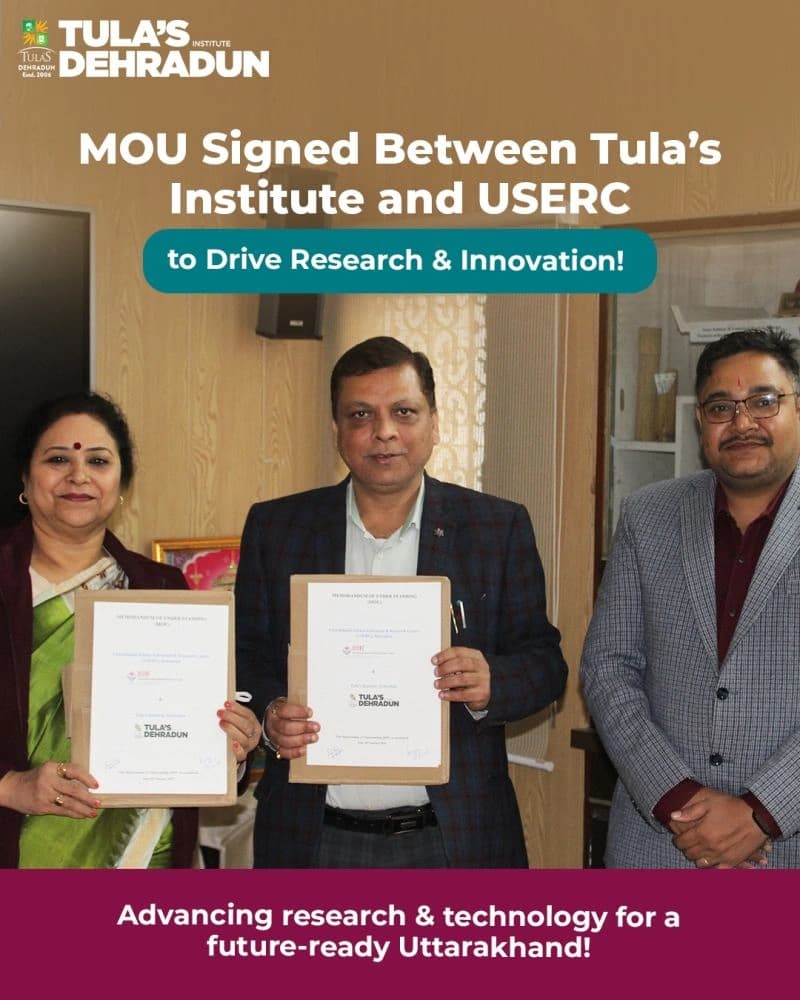
Research collaboration 4

MOU with USERC, Government of Uttarakhand

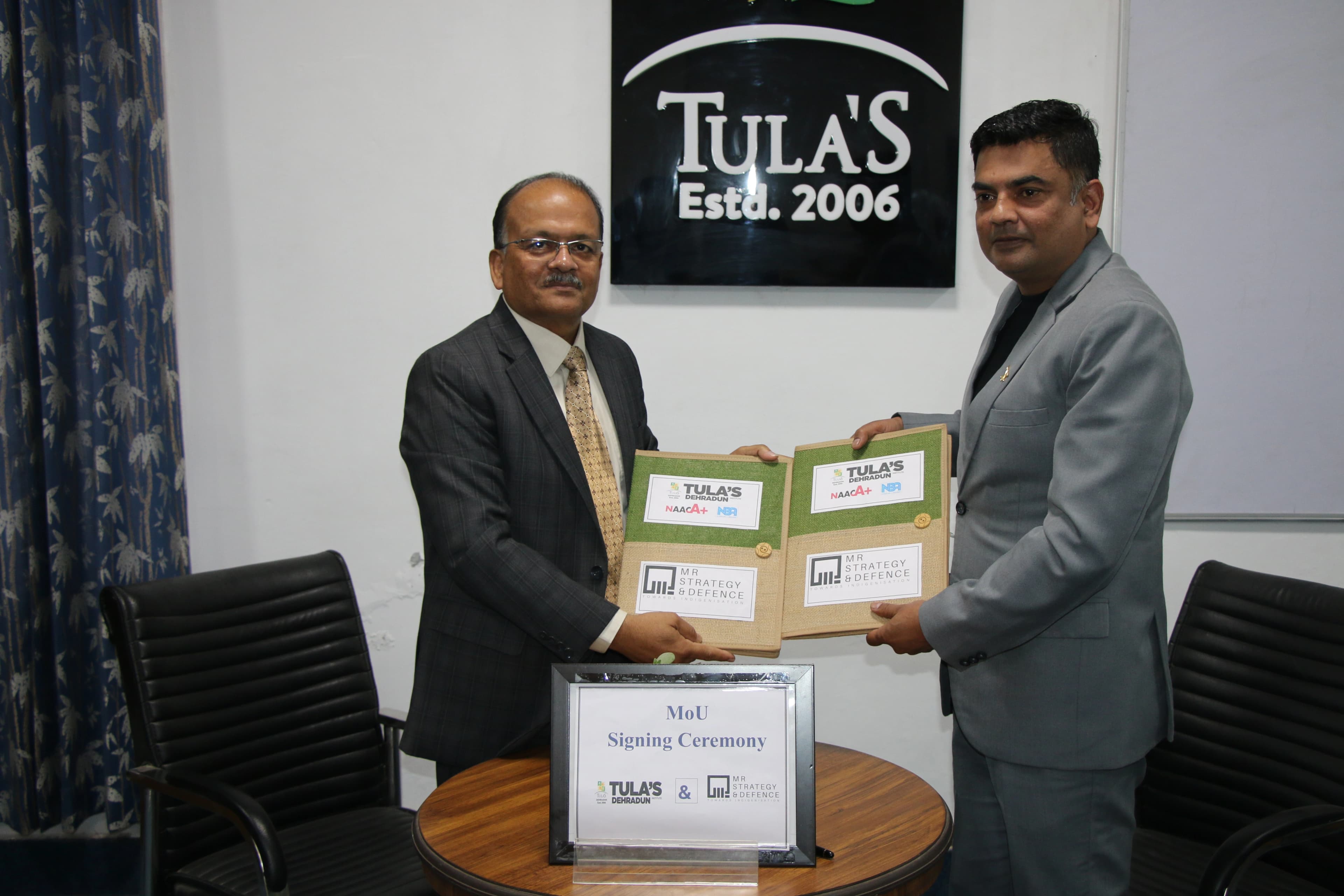
Research collaboration 5

MOU with MR Strategies

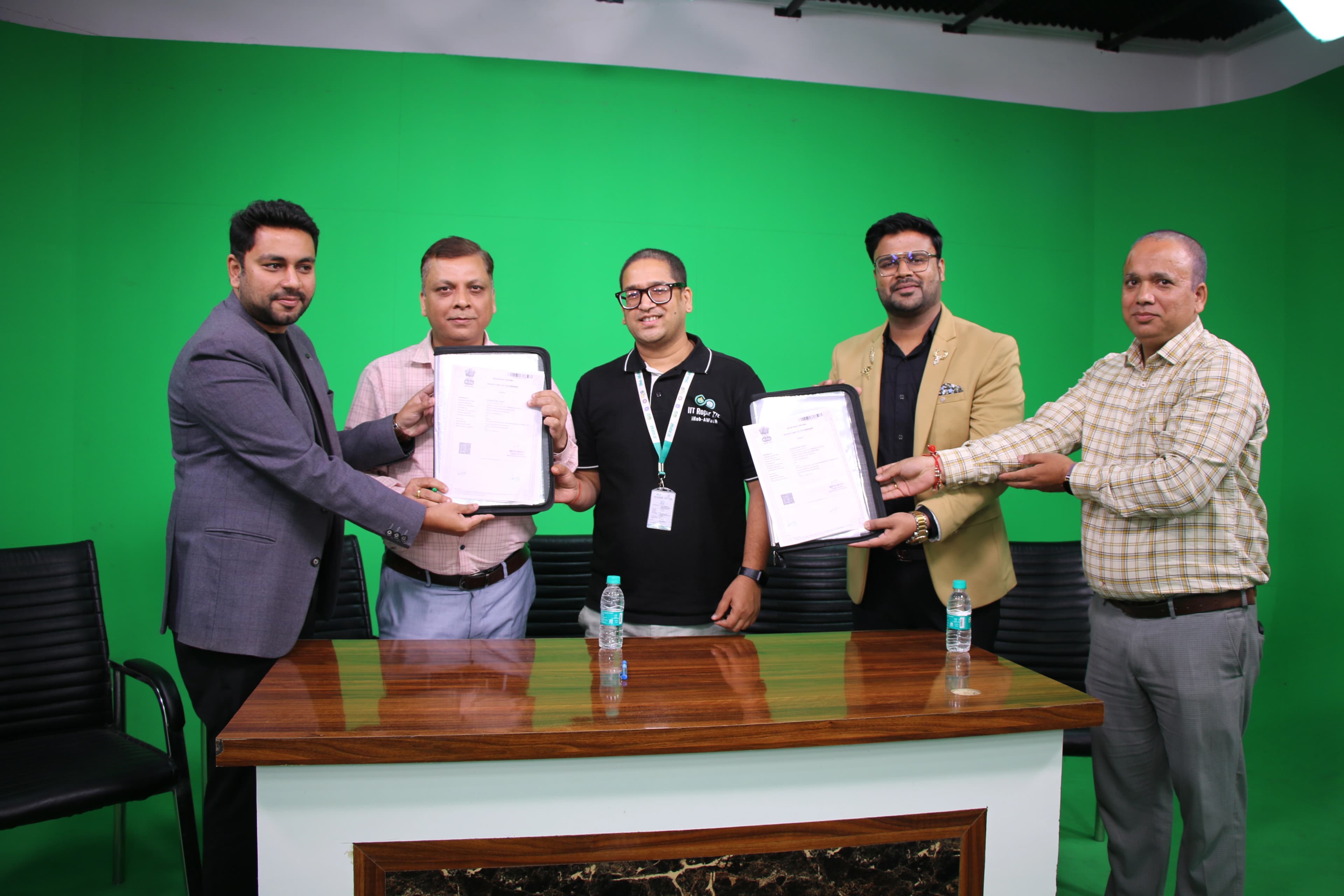
Research collaboration 6

MOU with iHUB AWaDH, IIT Ropar

Research collaboration 7

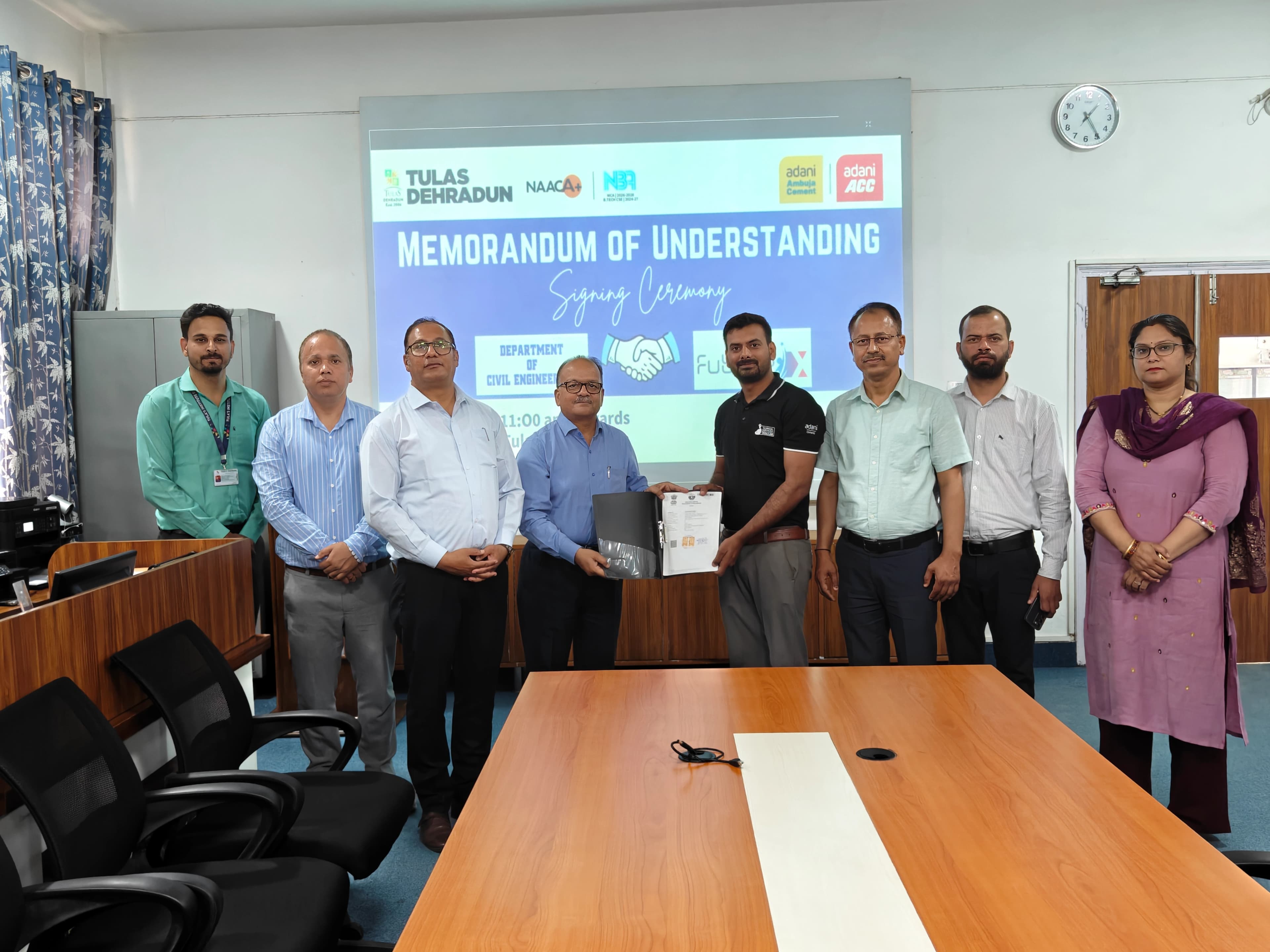
MOU with ADANI Cement

Research collaboration 8

MOU with Ensino Pvt Ltd

Research collaboration 9

MOU with Doon Intellectual Property Solutions

Research collaboration 10

MOU with TIME Institute

Research collaboration 11

MOU with CampusSutras