


Polytechnic Courses After 10th and 12th: Eligibility, Duration, Courses and Career Options
What is a polytechnic course? Learn about duration, eligibility, branches, fees and career options after 10th and 12th, and explore diploma programmes in civil, mechanical and computer science at Tulas, Dehradun.
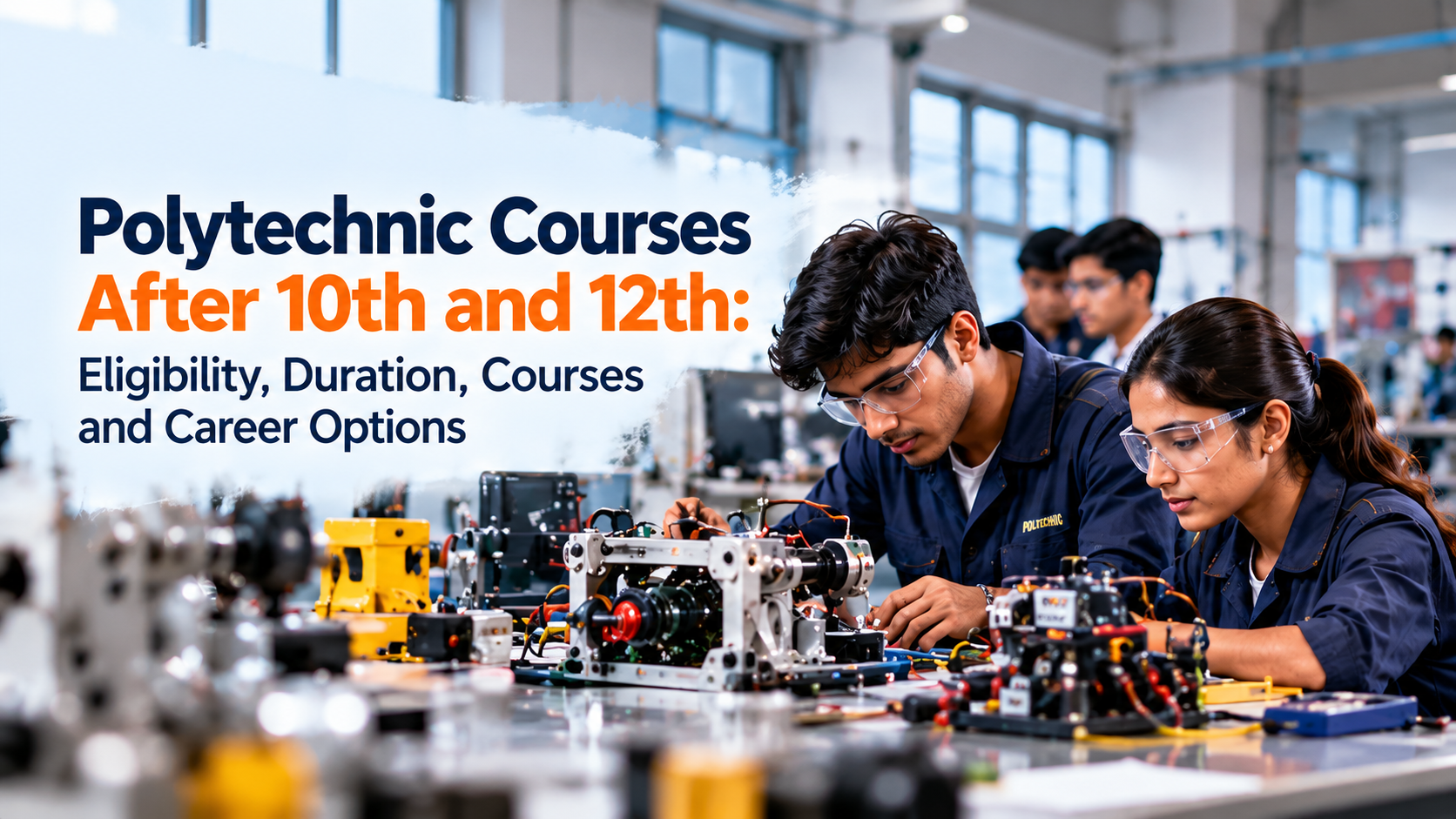
A polytechnic course is a diploma programme in engineering or technology that focuses on practical skills. After 10th, the polytechnic course duration is usually three years. Students who finish 12th with Science may get direct entry to the second year in some states. After the diploma, you can start a job or join B.Tech in the second year through lateral entry.
This guide explains polytechnic course details in simple words, so you can decide if it is the right first step for you.
What Is a Polytechnic Course?
If you are wondering what is polytechnic course, think of it as a hands on route into technical careers. It is a diploma level programme that trains you in fields such as civil, mechanical, electrical, electronics and computer engineering.
Classes combine theory with workshop practice and lab sessions. Instead of spending most of the time on long lectures, you spend a good share of it learning how to use tools, machines and software. This is why many employers value diploma holders for site and plant work.
Polytechnic Course Duration After 10th and 12th
The polytechnic course duration depends on your entry point.
Entry point
Typical duration
Notes
After 10th
3 years (6 semesters)
The most common route
After 12th Science
2 years (lateral entry, in some states)
Direct admission to the second year
After diploma, into B.Tech
3 years (lateral entry)
Joins the second year of B.Tech
Rules vary across states and boards, so always read the latest admission notice before you apply.
Polytechnic Eligibility and Admission
The basic eligibility for most diploma programmes is simple:
- Pass 10th with Science and Mathematics, usually with 35 to 50 percent marks
- Some programmes also accept 10th pass students with other subjects
- For lateral entry, pass 12th with Physics, Chemistry and Mathematics
Admission may happen through a state level entrance test or through merit based counselling. Private institutes may also run their own admission process.
Polytechnic Course Details: What You Will Study
A diploma programme is divided into six semesters. Early semesters cover basics such as applied mathematics, physics, chemistry, engineering drawing and communication skills. Later semesters move into branch subjects, workshop training and projects.
Most programmes include these parts:
- Theory classes for core concepts
- Laboratory work to test and apply ideas
- Workshop practice with real tools
- Industrial training or an internship
- A final year project
This structure helps you build job ready skills in a short time.
Popular Polytechnic Courses and Branches
Branch
What you learn
Common job roles
Civil Engineering
Surveying, building materials, estimation
Site supervisor, junior engineer
Mechanical Engineering
Machines, thermal systems, manufacturing
Technician, production supervisor
Computer Science Engineering
Programming, databases, networks
Junior developer, support engineer
Electrical Engineering
Wiring, motors, power distribution
Electrician, maintenance technician
Electronics Engineering
Circuits, devices, communication
Service engineer, test technician
Pharmacy (D.Pharma)
Medicines, dispensing, pharmacy practice
Pharmacy assistant, medical store owner
You can also read our list of polytechnic diploma courses in India and the list of diploma courses in Dehradun, Uttarakhand.
Polytechnic vs B.Tech: Which Path Is Better?
Point
Polytechnic diploma
B.Tech
Entry after
10th
12th
Duration
3 years
4 years
Focus
Practical skills
Theory and design
Time to first job
Earlier
Later
Further study
Lateral entry to B.Tech
M.Tech, MBA and more
Neither path is better for everyone. A diploma suits students who want to learn by doing and start earning sooner. A B.Tech suits those who plan for design roles or research. Our article on the benefits of a diploma over a degree explains this in more detail.
Career Options and Salary After Polytechnic
Diploma holders can work in construction, manufacturing, power, IT support, pharmacy and many other fields. Common roles include junior engineer, site supervisor, technician, maintenance engineer and quality inspector.
Fresher salaries in private companies often range from 2 to 4 lakh per year, depending on the field and city. Government and public sector jobs for diploma holders are also available through recruitment exams. Many students later move to B.Tech through lateral entry to grow further.
How to Choose a Good Polytechnic Institute
- Confirm approval from the proper technical education authority.
- Check lab and workshop facilities for your branch.
- Ask about industrial training and placement support.
- Review the faculty and the teaching approach.
- Compare total fees, including hostel and workshop costs.
Read 5 facts students must know before applying to polytechnic and things to consider before joining a diploma college for more help.
Why Consider Tulas for Diploma and Polytechnic Courses?
Tulas in Dehradun offers diploma programmes that match what the industry looks for. You can choose from:
- Diploma in Computer Science Engineering
- Diploma in Mechanical Engineering
- Diploma in Civil Engineering
- D.Pharma
Students get access to a library, a computer centre, hostel and mess facilities and active student clubs. Tulas also offers B.Tech programmes, so diploma holders can continue their studies on the same campus when they are ready. You can check the fee structure, see approvals and read the Tulas admission guide before you apply.
Frequently Asked Questions
What is a polytechnic course?
It is a diploma programme in engineering or technology that focuses on practical skills. Students learn through lectures, labs and workshop practice.
What is the polytechnic course duration?
The usual duration is three years after 10th. Some states offer a two year route after 12th Science through lateral entry.
Can I do polytechnic after 12th?
Yes. In some states, 12th Science students can join the second year of a diploma. Rules differ, so check your state notice.
Is polytechnic a good option after 10th?
Yes, if you like practical learning and want to start a career earlier. You can also continue to B.Tech later.
What can I do after polytechnic?
You can take a job, prepare for government recruitment exams or join B.Tech in the second year through lateral entry.
What are the best polytechnic branches?
Civil, mechanical, computer science, electrical and electronics are popular. Choose the one that matches your interest.
Ready to begin? Visit the Tulas homepage or apply now.
.png)
.png)